


Table of Contents
hello
Dr. Sangchul Hwang studies and treats autonomic nerves.
I see a lot of kids in my office these days who are struggling with urinary problems.
Bedwetting, enuresis, about 15 to 25 percent of children by the age of five,
or one in four children, so it’s a very common problem.
Some parents think
They’ll get better when they grow up.
But not all kids get better on their own.
Especially if symptoms persist beyond the age of 9
it’s important to check the cause
to see if treatment is needed.
Today.
why kids have trouble urinating,
and what lifestyle habits can make it worse.
that parents need to know.
────────────────────────

5 Leading Causes of Bedwetting in Children
1. genetic influences
Pediatric urination problems are more genetic than you might think.
If both parents had bedwetting as children, the chance of it happening to their child is about 75 percent,
and about 40 percent if only one parent had it.
It’s not a matter of will or personality.
the pace of neurodevelopment is often linked to family history.
────────────────────────
2. psychological and emotional factors
Kids today are exposed to more stress than you might think.
Between school, academics, socializing, and peer relationships.
It’s often a constant state of tension with no respite.
As stress builds
the autonomic nerves that control the bladder become more sensitive and
which can lead to more frequent urination or bedwetting.
When symptoms begin
the child becomes anxious
parents become worried and pressurize the child
The cycle repeats itself, creating a vicious cycle.
────────────────────────
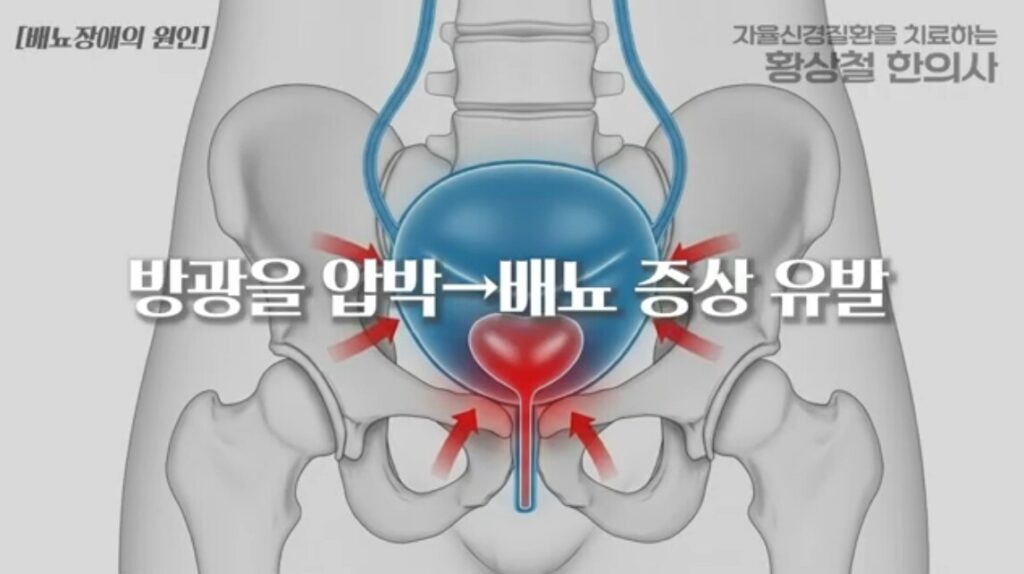
3. constipation
One of the most common causes parents miss is constipation.
When your intestines are full of stool
the bladder is physically pressed down
resulting in frequent urination and nighttime urination.
Just because your child is pooping every day
doesn’t mean your child is constipated.
You need to look at the amount and shape of the stool, as well as how well they feel after a bowel movement.
────────────────────────
4. incorrect urination posture
Repeated habits such as
Your bladder and pelvic floor muscles strain, which can make urinary urgency worse.
Urinating while holding up a magpie
Peeing with legs crossed or twisted
Continuing to use an infant potty that doesn’t fit properly
This position
destabilize your child’s pelvic muscles and bladder nerves.
────────────────────────
5. food and drink habits
Some of your child’s favorite foods
can make the bladder more sensitive.
Caffeine in Chocolate
Diuretic properties of soda
Sugary drinks
These factors can
increase bladder irritation, which can lead to urinary frequency.
────────────────────────

3 Types of Urination Problems in Children
1. enuresis
The inability to control your urine while you sleep at night.
It affects about 15 to 25 percent of children by age 15.
It is more common in boys.
Most get better with age, but
if it persists beyond the age of 9
the chances of spontaneous recovery are reduced and a diagnosis is needed.
────────────────────────
2. overactive bladder
Every 30 minutes to an hour during the day
every 30 minutes to an hour during the week.
Constipation
Stress
Incorrect urination habits
Small bladder volume
Poor sphincter control
Often, one or more of these are the cause.
────────────────────────
3. delayed urination
Play, play, play
ignore the urge to pee
and then rush off and make a mistake.
This requires a different approach than oliguria, and may require a different approach than
and may need to be evaluated for attention issues or emotional factors
may need to be evaluated.
────────────────────────
Lifestyle habits that make your bladder more sensitive
Parents may not realize that some of their habits
can make a child’s bladder more sensitive.
Using the wrong toddler potty
Bedwetting habits
Unable to pee outside
Stopping or straining mid-pee
Getting up immediately after urinating
These behaviors
are not conducive to the development of bladder function
and must be corrected.
────────────────────────
Constipation should be checked with
Constipation is a very important cause of frequent urination and bedwetting.
When the stool fills up, the space in the bladder shrinks and the
bladder nerves are easily irritated.
If your stool is hard and round or
the test shows that your intestines are full of stool
you are likely constipated.
Addressing constipation alone
Many children have noticeable improvement in their urination problems.
────────────────────────

Urination problems in children, never trivial
The discomfort kids feel
goes much deeper than adults realize.
School Life
friendships
and even self-esteem can be affected.
Waiting for it to grow up
it’s not uncommon to miss the right time to treat.
Symptoms persist beyond age 9, or
your child seems uncomfortable
their daily routine is being affected.
A professional diagnosis and
treatment and care that’s right for your child.
If you have any questions or
or if you’re suffering from similar symptoms
feel free to leave a comment.
Not missing your child’s small cues is the
is the fastest path to recovery.