

Why my tests are normal but I keep getting sick,
is it really a bladder problem?
It could be pudendal neuralgia
I need to urinate frequently,
I feel a heavy pressure on my bladder,
stabbing pain in the vagina or around the anus.
In the hospital
“No inflammation”
“Your tests are normal”
Have you ever heard the phrase “I’m not going to do this” over and over again?
You take a medication, feel better for a while.
and then the same symptoms return,
and the anxiety and frustration grows.
We actually hear this in the clinic.
“I’m definitely sick, but I don’t know what’s wrong.”
“They say I don’t have cystitis, but it hurts like a bladder.”
“There’s nothing that explains this pain.”
In such cases,
it’s easy to miss the mark
it’s easy to miss the direction of treatment.
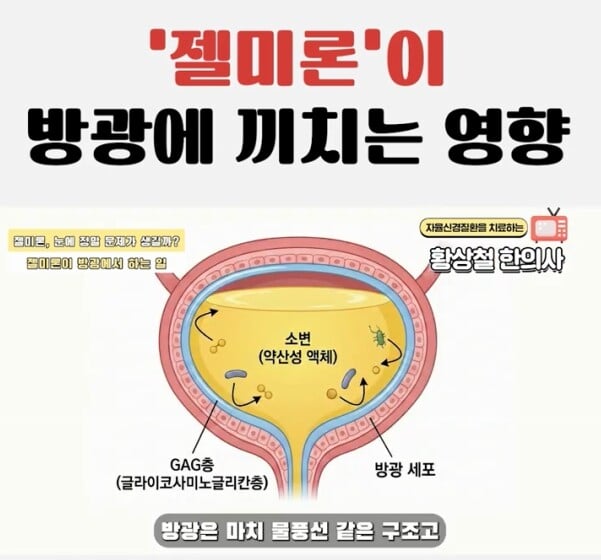
Why it hurts like a bladder when it’s not cystitis
Common cystitis is
Inflamed due to a bacterial infection,
and often results in abnormal urine tests.
However, if you have no abnormalities on examination
pain, pressure, and urinary frequency in the bladder area
it’s likely that the problem is not with the bladder lining itself
nerve structures that pass very close to the bladder
the nerves that run very close to the bladder.
Especially for women,
the bladder, vagina, anus, and perineum
in a very small space
nerves, muscles, and ligaments in a very small space.
Within this structure
when a nerve is compressed or irritated.
even if there is nothing wrong with the bladder
pain that feels like a bladder, even if there is nothing wrong with the bladder.
What is pudendal neuralgia?
The pudendal nerve is
sensation of the vagina, perineum, anus, and vulva, and
and functions related to urination and defecation
and functions related to urination and defecation.
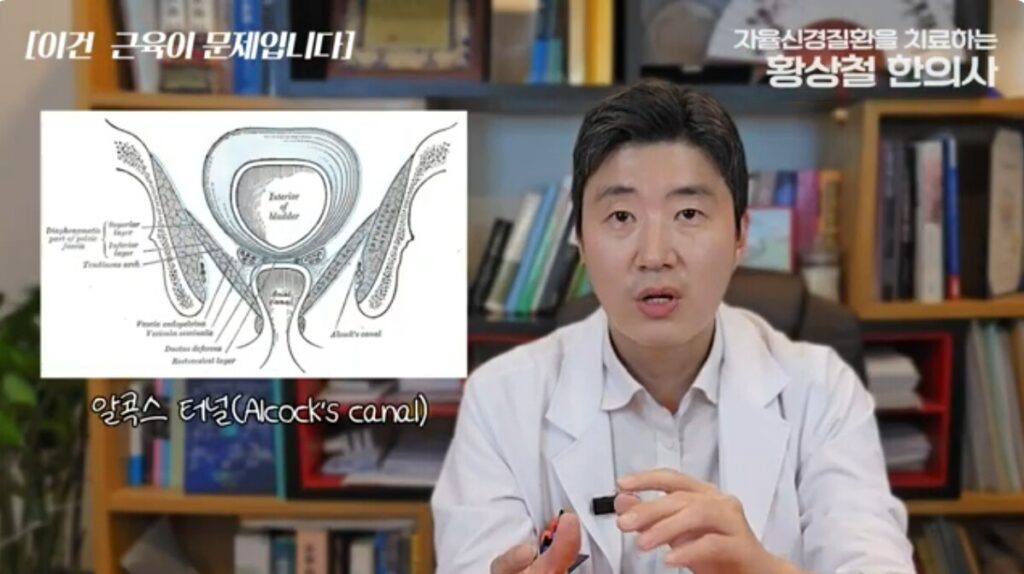
This nerve passes deep in the pelvis
through a narrow passage called the Alcock’s tunnel.
The problem is that the area around this passage is
is very dense with muscles and ligaments.
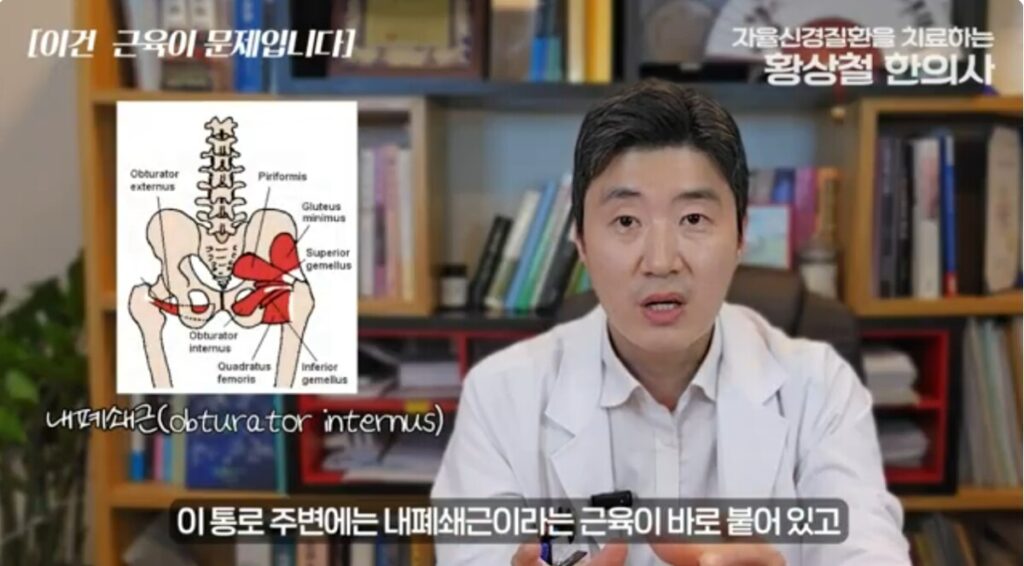
In particular, this area contains a deep pelvic muscle called the
deep pelvic muscles called the internal oblique muscles,
and when this muscle is tense or overactive.
it can put constant pressure on the pudendal nerve.
The pain and abnormal sensations that occur are called
pudendal neuralgia.
The important thing is
this pain is not a disease of the nerve itself,
but rather the environment in which the nerve is being compressed
the nerve is being compressed.
It’s not the nerves,
muscles and structures are the cause
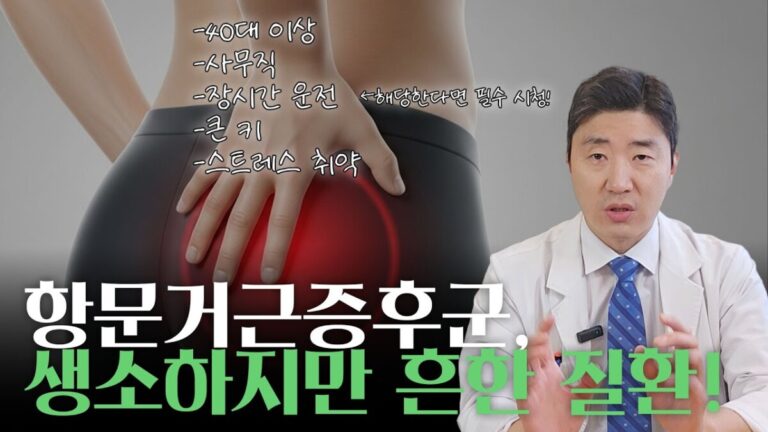
Pudendal neuralgia is a common condition seen in the clinic these days.
nerve damage
rather than nervedamage.
Prolonged Sitting
Insufficient pelvic recovery after childbirth
Minor asymmetries in the hip or pelvis
Changes following past trauma or surgery
When these factors build up
the deep pelvic muscles become tense and stiff,
and the pudendal nerves that run alongside them
pudendal nerves that run next to them are constantly irritated.
The resulting symptoms can vary
can vary widely, including

If you have these symptoms
You may have pudendal neuralgia
Stabbing or burning pain around the vagina or anus
Pain that gets worse when you sit down
Frequent need to urinate but no abnormalities on examination
Pain lingers after sex
You’re left with a heavy, tight feeling in your lower abdomen
Your pain gets worse when you’re stressed
These symptoms are more likely
cystitis or simple inflammation
nerve compression painrather than cystitisor simple inflammation.
In particular
“It hurts a little better when lying down, and worse when sitting”
“The location of the pain changes subtly over time”
If you have any of these characteristics
the relationship between the muscles and nerves should be explored.
I approach it like this
If you suspect you have pudendal neuralgia
I don’t just look at the area of pain.
Pelvic alignment
Movement of the sacrum and iliac crest
Direction of tension in the hip joint
Condition of the deep pelvic muscles
We evaluate all of these factors together.
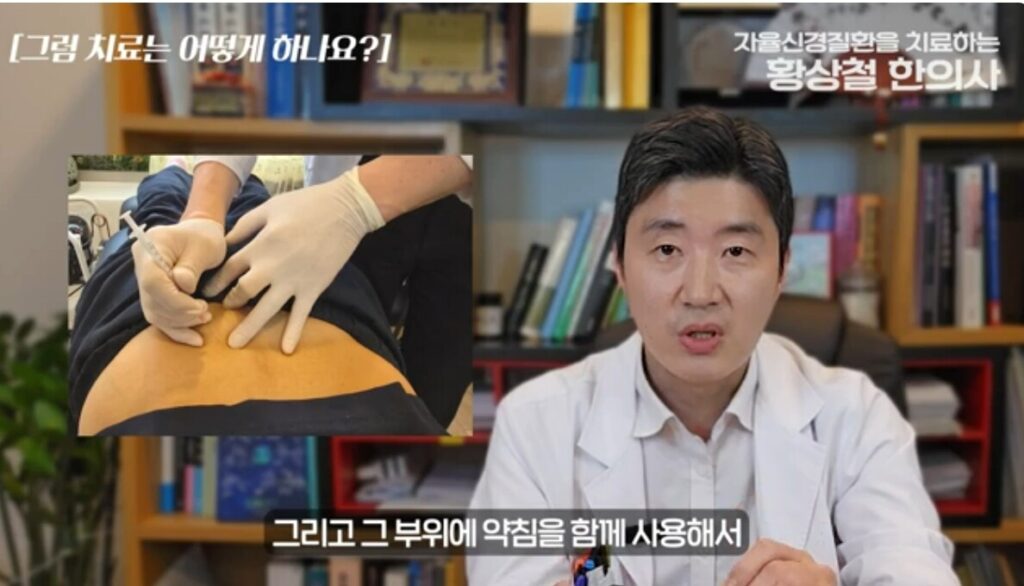
1. medial obturator muscle relaxation and acupuncture treatment
The internal oblique muscles are
is a deep muscle that cannot be touched from the outside
it is difficult to access without an accurate anatomical understanding.
Through acupuncture and medicinal needles
to directly relax tense muscles
restore blood flow and circulation
to reduce nerve compression.
This course will help you
pain, dyspareunia, and bladder pressure when you sit down
progressive relief from sitting
often experienced in clinical practice.
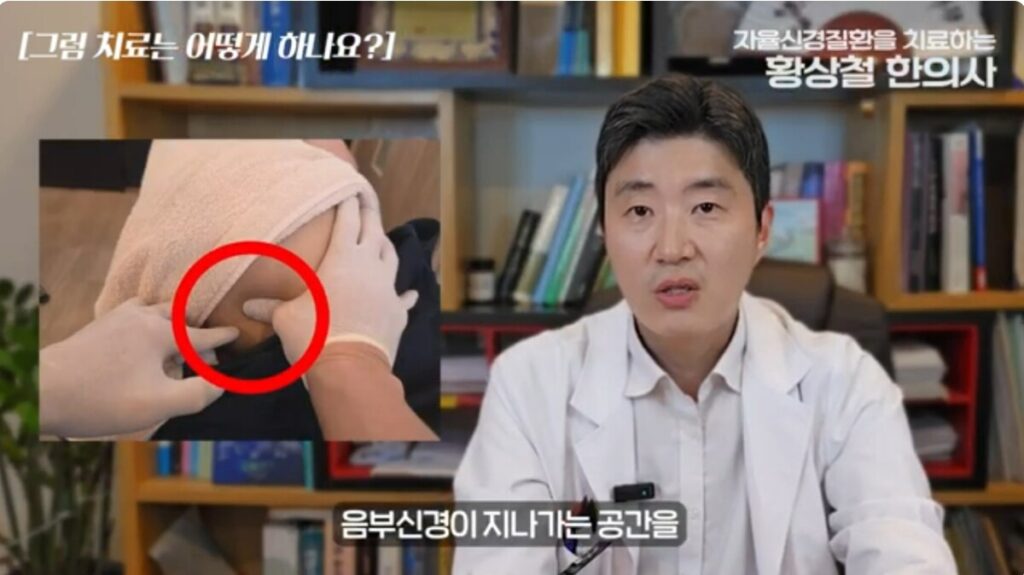
2. pelvic alignment correction and chiropractic
Muscle Relaxation
if the pelvic structure remains misaligned
the nerves can be compressed again.
Corrects the alignment of the sacrum, iliac crest, and tailbone
the space that the pudendal nerve travels through
the space the pudendal nerve travels through.
It’s not just posture correction.
it’s a treatment that organizes your structure so that the pain doesn’t recur.

To summarize
Even if your test results are normal
pain may still be present.
Pudendal neuralgia is
invisible pain
but has a clear cause.
When Approached Only as Cystitis
symptoms that were not being addressed
pelvic muscles and structures together
pelvic muscles and structures.
Pain doesn’t happen for no reason
“The only thing harder
than being told
is when you’re clearly sick and can’t get an explanation.
If you’ve ever suffered from unexplained pain
that you can’t explain,
there may be a good reason for this pain.
If we can pinpoint the cause and
and correct the direction
can be life-changing.
Get back to a pain-free day,
the signals your body is sending you
to help you get back to a pain-free day.