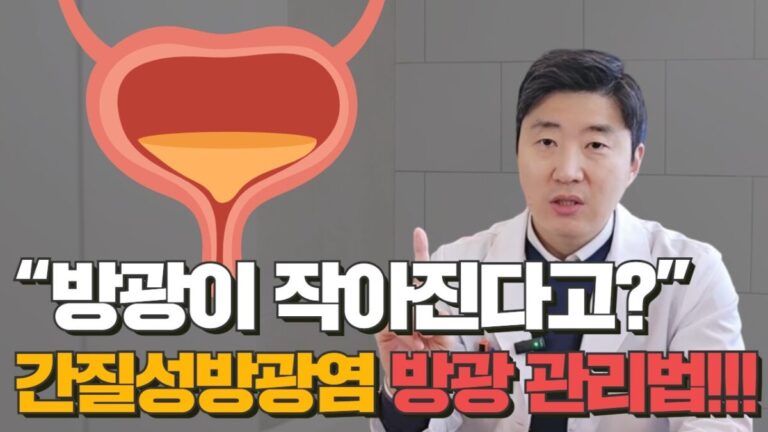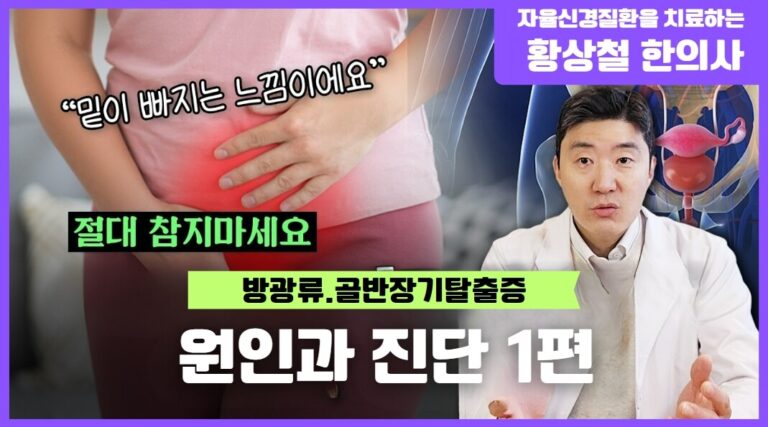


I took it because it sounded good… but it made my cystitis worse?
Here’s the real reason why interstitial cystitis is getting worse
hello.
I‘m Dr. Sangchul Hwang, a Korean medicine practitioner at
who studies and treats the autonomic nervous, bladder, and pelvic nerves.
Your cystitis is making it hard for you to get around,
Tests say “everything is fine”,
and even after taking antibiotics, it comes back again…
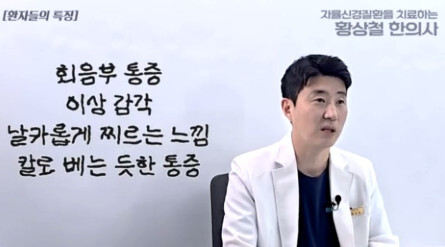
You’re exhausted, right?
I see a lot of people like this in my practice.
And there’s a key causethat many of them miss.
Immediately,
“Not all cystitis symptoms start in the bladder”
is a fact.
Very slowly,
but we ‘re going to take you through the in-depth information
that patients really need to know.
1. “My bladder is fine, but why is it hurting”
– Cystitis symptoms, more than 70% are due to non-infectious causes
I have bladder pain = I have cystitis
Although we often make this connection,
In reality, the same symptom can come from a variety of causes, as shown below.
- Damage to the bladder mucosa (interstitial cystitis)
- Pelvic floor muscle stiffness
- Pudendal nerve compression
- Back-Sacral Nerve Problems
- Autonomic nervous system overactivity
- Bowel function issues (constipation – irritable bowel)
- Stress-perfectionist tendencies
- Certain foods – hormonal changes

In particular, interstitial cystitis (IC) is not a bacterial infection
is not a bacterial infection, but a microinjury to the bladder mucosa + nerve irritability.
it will never resolve with antibiotics.
So it’s not surprising that it comes up as “normal” on inspection.
2. the relationship between the autonomic nerves and the bladder
– The Science Behind Why Stress Makes Your Bladder Overactive
The bladder is strongly controlled by the sympathetic-parasympathetic nervous system .
- Sympathetic nerve overactivation → increased bladder muscle tone → stinging, irritating sensation
- Parasympathetic imbalance → failure to control bladder contractions → urinary frequency and pain
People with personality patterns that make them particularly
are vulnerable to interstitial cystitis.
- Perfectionism-Sensitivity (Sociopathic Pattern)
- Nervousness due to lack of fluids
- You stiffen at the slightest stress
- Tendency to be impatient
Conversely, a pattern that is a tetradis a problem.
- Increased liver fever
- Lower abdominal lymphatic-blood flow stagnation
- Upper thermal + lower gas
- Stiffness in the belly and pelvis under stress
In other words,
Constitution + autonomic nerves + bladder mucosal damage
When these three things work together
prolong the pain and make it harder to treat.
3. pudendal neuralgia – a condition most often confused with interstitial cystitis
“Worse when I sit down, soreness, but urine is fine” pattern
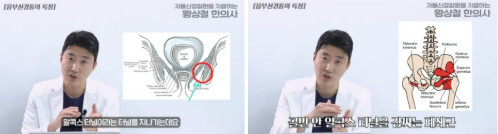
The pelvis has a narrow nerve passage called the Alcock’s tunnel.
The pudendal nerve passes through here.
When it is pressed against a muscle, it is mistakenly felt as pain around the bladder.
Pudendal Neuralgia Characteristics
- Burning sensation around perineum – vagina – penis – anus
- Worsens with prolonged sitting
- Relieved by walking or lying down
- Urinalysis is normal
- Frequent urination – less urge to urinate
- Chronic pelvic floor muscle strain
If you don’t know these characteristics
you could be misdiagnosed with cystitis for years
and repeat antibiotics.

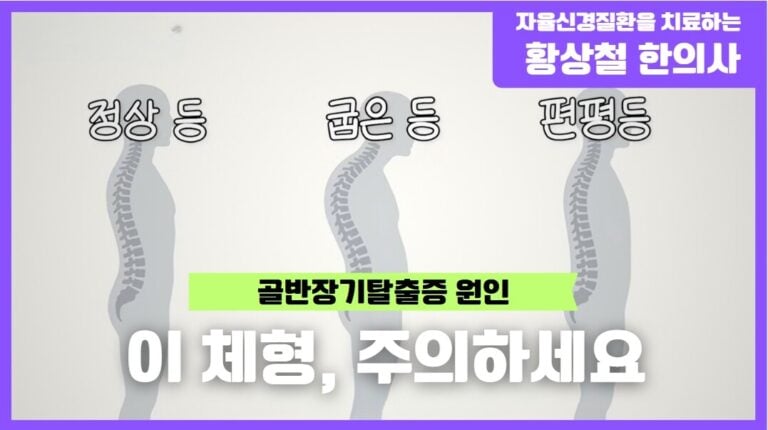
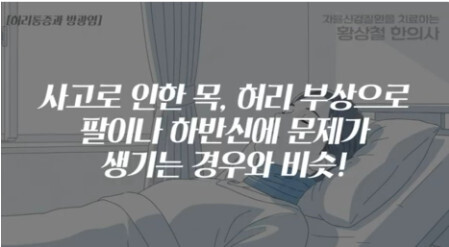
4. herniated disc – narrowing creates bladder pain
– Lumbar nerves 2 through 4 (L2 through L4) connect to the bladder
The nerves that control the bladder come from
from the lumbar and sacral (S2 through S4) nerves.
So if you have one, it can cause bladder pain.
- Herniated Disc
- Spinal Stenosis
- Sacroiliac joint (SI joint) imbalance
- Iliopsoas-gluteus strain
- Prolonged sitting habits
In this case, the bladder is intact but the
nerves are overexcited, causing association pain in the bladder area.
So people like this
If you treat their back, their bladder symptoms also decrease.
💩 5. Constipation – the #1 hidden cause of worsening interstitial cystitis
– Increased intestinal pressure → bladder compression → increased nerve sensitivity
When you are constipated, your abdominal pressure increases.
Increased abdominal pressure presses on the bladder, which lies directly underneath, and irritates the
bladder wall and nerves are irritated.
IC patients are especially at risk because
have a thinner bladder mucosa, which can cause
even small stimuli can be very painful.
So in the course of treatment
constipation managementis almost a must.
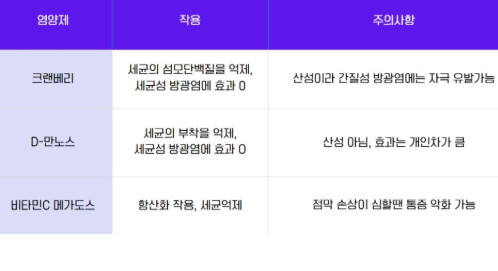
🍒 6. Cranberry-D-Mannose-Vitamin C Megadoses
– When it helps vs. when it makes things worse
Many patients have
“They say it’s good for your bladder…”
“I eat it because they say it’s good for Europe…”
but,
you need to approach it with the right information.
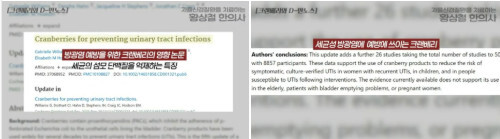
✔ If it helps
- To prevent recurrent bacterial cystitis
- Repeated detection of E. coli in urine
- Recurrent infections due to a weakened immune system
✔ If it gets worse
- Interstitial cystitis (IC)
- Damage to the bladder mucosa
- You are sensitive to changes in bladder acidity
- If pudendal neuralgia is the cause
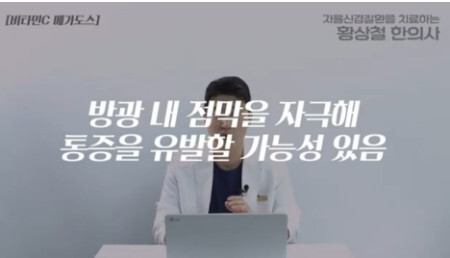
Especially vitamin C megadoses
increases the acidity of the bladder
causing intense pain in patients with damaged bladder mucosa.
That is,
Bacterial → Some help /
Neurogenic-mucosal type → Worsening
Just remembering these principles will go a long way.
7. interstitial cystitis and food sensitivities
– Why Spicy Food Causes Pain (Neurological Reasons)
Spicy foods aren’t just bad for you because they’re irritating.
Capsaicin strongly activates the TRPV1 pain receptor,
which are also present in the bladder mucosa.

Therefore, the
- Capsaicin
- Acidic foods
- Soda
- Caffeine
- Chocolate
- Watermelon-legumes (personal preference)
These foods
stimulate pain receptors in the bladder lining
which can cause a sharp increase in pain.
But conversely
protein (meat) does not stimulate these pain receptors, so
meat rarely makes them worse.
8. Exercise – Why ‘good exercise’ is actually poison
– Explanation based on pelvic floor muscle tension
Patients with IC often have overactive pelvic floor muscles.
However, most Kegel and core exercises
contract the pelvic floor muscles
which makes the pain worse.

🚫 Exercises to Avoid
- Kegel exercises (absolutely not)
- Pilates’ Strong Core Exercises
- Abdominal pressure rising weights
- Crunch-Leg Raise
- Contraction-focused exercises in machine Pilates
- Longer bike rides
👌 Recommended safe workouts
- 20 to 40 minutes of brisk walking
- Pain-free range of motion jogging
- Lengthening (stretching) poses in yoga
- Pelvic floor relaxation stretches
- Heated Stretching

🛑 Lifestyle habits to avoid
- Lamb’s leg
- Leg twine
- Sitting on the toilet for too long
- Borderline sitting (hips forward)
Many people find that this change is enough to eliminate their pain.
9. Why does interstitial cystitis ‘flare up’?
– Bladder, nerves, autonomic nerves, pelvic muscles, and body composition.
Interstitial cystitis is a combination of five things
- Microinjuries to the bladder mucosa
- Increased nervous irritability
- Overstrain of the pelvic floor muscles
- Autonomic imbalance
- Constitutional Traits (Yang-Sun traits)
Treating just one of these will never cure you.
So obviously there’s a little bit of improvement.
and then you have a pattern of relapse.

10. “Finding the right cause is the cure”
Many patients ask me.
“Dr. Warden… do you think I can be cured?”
Yes, you can.
But only if you find the exact cause.
Interstitial Cystitis is a
bladder-neural-muscular-autonomic-neurologic-constitutional
bladder, nerves, autonomic nerves, and constitution.
It’s easy to let pain disrupt your life and
and emotionally draining,
Never go it alone.
It can definitely get better if you approach it correctly.
If you have any questions or need help
please leave a comment.
We’ll do our best to answer them.