

hello. I’m Dr. Sangchul Hwang, an autonomic nervous system researcher and therapist.
Today, in the second installment
**”Hyperhidrosis manifests differently with age”.
When I ask patients in my office
“When did you start sweating?”, they usually say something like this.
“I don’t really remember, but I think it started when I was very young.”
“When I was younger, it wasn’t this bad, but as I got older, it started to get worse.”
Why does it look so different from person to person?
And why does it change with age?

The most important role of sweat is ‘thermoregulation’
So, what does our body’s sweat do?
The biggest role is to regulate body temperature.
When you feel hot, or your body temperature rises, either all over or in a specific area.
Your body regulates heat to maintain homeostasis in the following ways
- Breathing
- Sweat
- Feces
- Urine
- Vasodilation
Of these, sweating is characterized differently by different age groups.

Younger people sweat in different areas, older people sweat in the upper body
If you look at the patients who actually come to our clinic,
Students and young people
Hands, feet, underarms, head, back, chest, etc.
There are many different areas of sweating.
Whereas,
patients in their 40s and 50s
sweating is concentrated mainly on the head and upper body.
You might be thinking
“Doesn’t hyperhidrosis just go away with age?”
but in reality, this is often not the case.
When you’re young, sweating doesn’t bother you too much,
As we age, sweat is more likely to be concentrated in the upper body and become more uncomfortable.
Why sweating changes as we age: ‘sweat glands change structure’
To understand why, we first need to look at the structure of the glands.
Skin is a large
- Epidermis
- Dermis
- Subcutaneous Tissue
can be divided into
The epidermis is the barrier that protects your body from the outside world,
The dermis is the layer that provides nutrition and function for the epidermis to do its job.
And it is in this layer of the dermis that the sweat glands are located.
However, as we age and our glands age
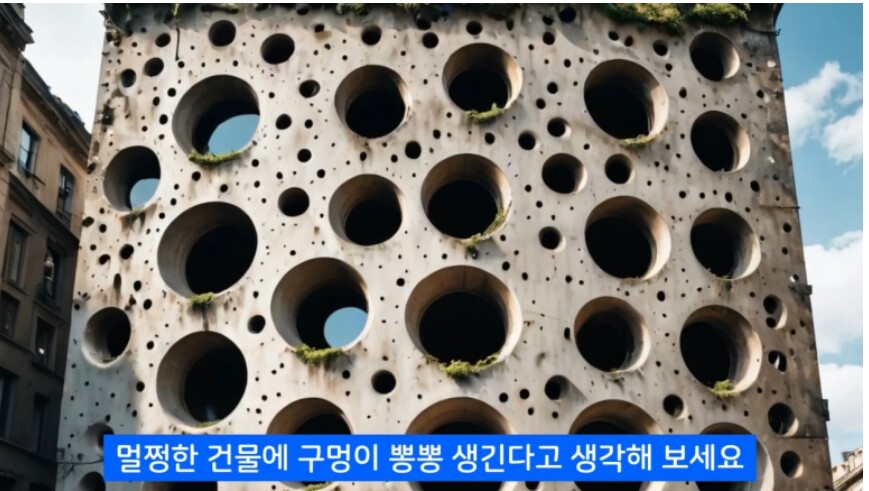
the glands located in this layer of the dermis become ‘cavitated’.
Imagine a perfectly good building with a bunch of holes in it.
The building would become increasingly dysfunctional.
Similarly
glands will retain their shape but become less and less functional.
In particular, sweat glands often age first in peripheral areas, such as the hands and feet.
As a result, these areas become less and less able to regulate body temperature through sweat.
So sweat is drawn to your remaining upper body glands
As we age, our basal metabolism and body temperature decline.
But your body is still active.
breathing, urine, and feces are not enough to regulate body temperature.
Eventually, sweat will be concentrated toward your face and upper body, which are theonly remaining active glands.
So the
- When eating hot and spicy foods
- When emotions are high
- When temperatures are high
In this situation, hyperhidrosis is characterized by excessive sweating, mainly in the upper body.
Another difference between kids and adults: “brown fat
One of the big differences between kids and older adults is brown fat.
Brown fat is found in more children than adults,
and is responsible for producing heat in the body.
In other words, children with more brown fat
sweating often occurs when they are ‘hot’.
Whereas,
as we move through adolescence and into old age, brown fat gradually decreases
and the body’s metabolic rate decreases.
So, hyperhidrosis as we age is often caused by a decrease in the structural function of the sweat glands
is often caused by structural deterioration of the sweat glands and sweat poresrather than heat,
In Chinese medicine, it is often characterized as a state of “deficiency” such as Qi He or Xin He.
Characteristics of post-menopausal hyperhidrosis
This time of year, hyperhidrosis is characterized by
Sweating like it’s raining at the slightest movement,
or eating even the slightest bit of warm food
or needing to constantly blot yourself with a towel.
It’s not just the heat,
it’s alsorelated to changes in the structure of sweat glands, decreased skin elasticity, and decreased ability to open and close sweat pores.
To summarize, here’s how hyperhidrosis varies by age
- Childhood to young adult hyperhidrosis
- Hands, feet, underarms, head, chest, back, etc.
- Recessive (hot) features
- Midlife to Old Age Hyperhidrosis
- Primarily head and upper body
- Characteristics of “collapse,” a lack of energy and fluids
Therefore, the direction of treatment should also vary with age.
- Childhood to young adulthood: Treatments to control excessive fever
- Midlife to Older Adults: Treatments to replenish energy and fluids and boost immune and cellular function
“Hyperhidrosis manifests differently with age.”
And
“Treatment for hyperhidrosis varies with age.”
We hope this helps you understand
to help you better understand the characteristics of hyperhidrosis.