


Tinnitus-Deafness-Dizziness, Meniere’s Disease
Why does increased brain pressure recur?
The Meniere connection explained in detail
hello
I am Dr. Hwang Sang-Cheol
Dr. Sangchul Hwang
One of the most common questions we hear in the clinic is.
“My tests say my ears are fine.
Why do I keep getting deafness and tinnitus?”
Or, “I feel dizzy and lightheaded, but I’m so anxious that everything is fine.”
Today, we ‘ll discuss why these symptoms recur,
and how cranial pressure, neck musculature, and skull structure are linked to Meniere’s symptoms.
based on real clinical experience.

─────────────────
Ear-Hearing Test – Why is it uncomfortable if it’s normal?
─────────────────
A feeling of tightness in the ears, a sensation that sounds are distant,
a hot or sinking feeling in your head,
Dizziness that comes with heart palpitations.
These symptoms are often not explained by problems with the ear itself.
For example, a patient in their 30s may experience mild tinnitus and nausea at first.
and then one day, severe dizziness and a feeling of nausea.
She is diagnosed with Meniere’s disease at the hospital.
The acute symptoms subsided with medication,
The deafness and tinnitus continued to recur and eventually brought the patient to me.
In this case, the problem was not so much “ears” as
cranial pressure, autonomic nerves, and neck and jaw muscletension.
───────────────────
Key Cause of Recurrent Tinnitus-Ménière: Increased Brain Pressure
───────────────────
Some people with Meniere’s are described as having increased lymphatic pressure inside the ear, which is
inside the ear.
However, in clinical practice, the pressure inside the ear
pressure in the head (cranial pressure) fluctuates before the pressure inside the ear.
symptoms are often recurrent.
Increased brain pressure causes the following problems
– Stagnant cerebrospinal fluid flow
– Blockage of lymphatic circulation around the ear
– The ear canal does not open properly
– Increased pressure in the ear
The result
– Feeling of tightness in the ears
– Beeping tinnitus
– Sound distortion
– Dizziness
– Meniere’s-like seizures
You may experience a combination of these symptoms

────────────────────
Why does brain pressure rise?
The key cause is tension in the muscles of the neck, jaw, and skull.
────────────────────
The brain is housed in a rigid box called the skull.
where brain-blood-cerebrospinal fluid circulates in balance.
But when the muscles in your neck, jaw, and head are tense
the circulation pathways narrow, making it easier for brain pressure to rise.
Common causes include
– Stress buildup
– Sleep deprivation
– Sternocleidomastoid – quadriceps – latissimus dorsi strain
– Torticollis – straight neck
– TMJ problems
These muscles are all connected around the carotid artery sheath (pressure-oxygen sensor),
which is also a key passageway for the vagus nerve (parasympathetic nerve).
When this area is pressed, the entire nervous system is destabilized.
tinnitus, deafness, difficulty breathing, and even anxiety.
────────────────────
So I always diagnose these three muscles first
────────────────────
- Sternocleidomastoid muscle
A large muscle that runs from behind the ear to the collarbone.
When tight, it increases the pressure around the ear, worsening tinnitus - Obliques
Breathing – Connected to the sympathetic nervous system
When clenched, causes panic-like symptoms + dizziness - Gastrocnemius (under the chin)
Connects directly to the ear canal – ear pressure – jaw joint – vestibular nerve
Core causes of deafness
Treating these three muscles
ear-head-nervous system response is very often dramatically different.
────────────────────
3 Simple At-Home Self-Care Tips
────────────────────
Taking just two to three minutes will help relieve ear pressure and head tension.

1. sternocleidomastoid acupressure
The muscle that runs from the hard bone behind your ear to your collarbone.
gently with your fingers and massage downward.
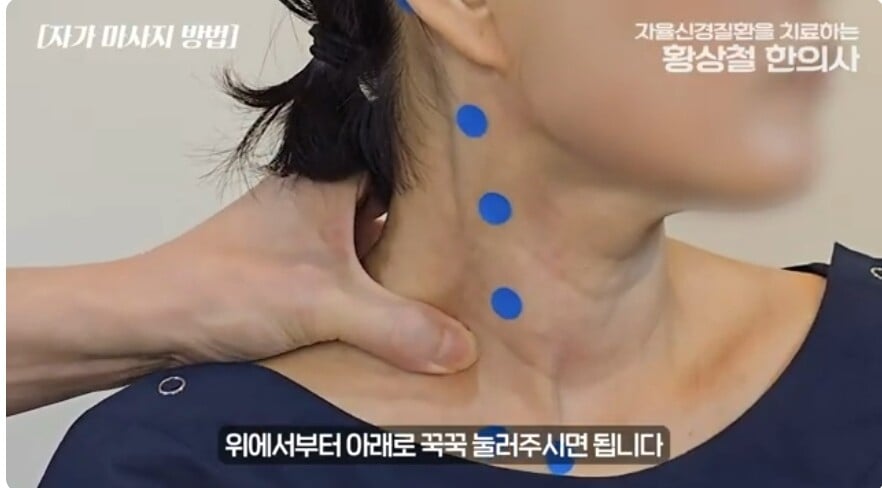
2. quadriceps acupressure
Press on the side of your neck, in front of your trapezius muscle, in an up and down motion.
Chest tightness – shallow breathing may be reduced.
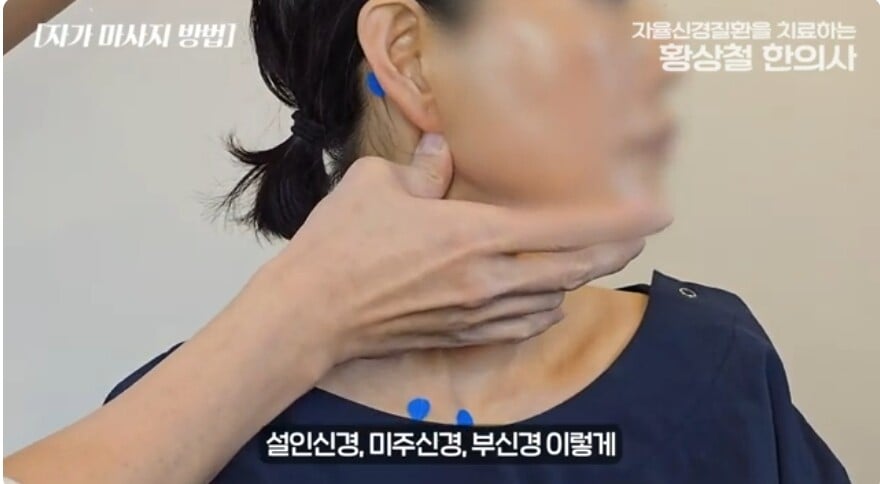
3. acupressure of the abs
Apply light pressure to the indentation under the chin.
This helps with deafness – ear canal pressure – swallowing discomfort.
────────────────────
If the scan is normal and you feel uncomfortable, you need to look at the structure
────────────────────
The ear is not just an organ
they are a window into your body’s overall pressure and autonomic state.
The reason you don’t get better with medications and procedures alone
structural causes remain.
With the right direction
deafness, tinnitus, and dizziness can be different enough.
Feel free to ask questions in the comments.
Your body is clearly sending you signals.
Interpreting those signals correctly is the first step to recovery.