


Table of Contents
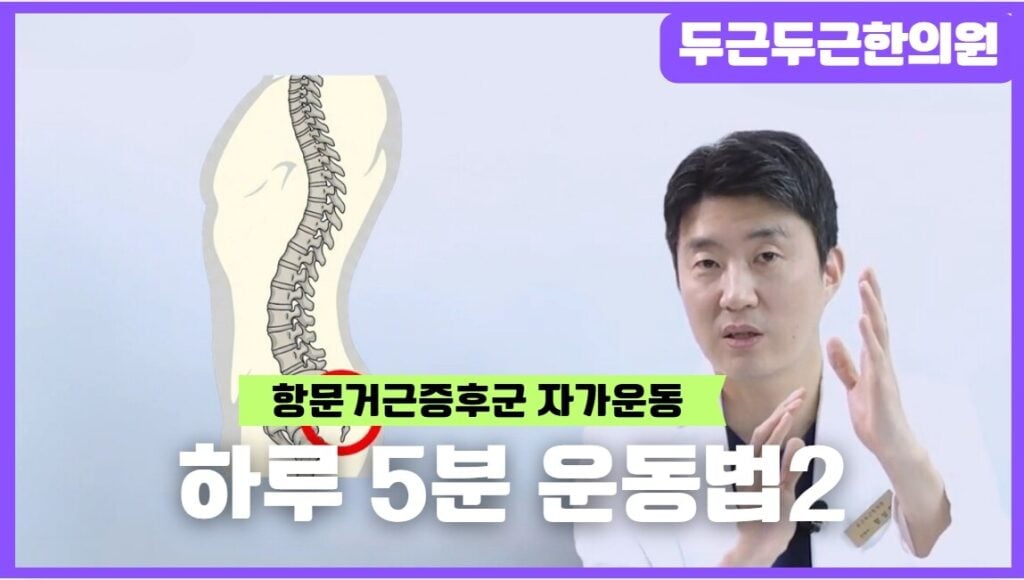
Understanding the iliacococcygeus muscle, the source of the pain, reveals the cause of the pain
hello. I am Dr. Sangchul Hwang, who studies and treats autonomic nerves.Some people feel a heavy pulling pain deep in the anus or pelvis, or a pain that feels like it will fall out. One of the most important causes of these symptoms is anal levator ani syndrome, which is centered on a muscle called the iliacococcygeal muscle.Today, I will explain the relationship between anal levator ani syndrome and the iliacoccygeal muscle in an easy-to-understand manner.

What is anal sphincter syndrome?
Levator ani syndrome is a chronic pain condition caused by overstraining the levator ani muscle, which is located deep in the anus and pelvis.Key symptoms include
- Heavy pain deep in the anus
- Feeling like the bottom is falling out
- Worsening pain when sitting for long periods of time
- Discomfort persists after a bowel movement
- Pain around the perineum, pelvis, or hips
Of particular importance is that abnormalities are often not detected by tests like MRI or endoscopy.
This is because it’s a matter of functional muscle strain, not structural damage.
“What exercises should I do?” is the most common question we hear from people who have been diagnosed with puborectalis syndrome and are experiencing deep pain in the anus, pelvic pain that worsens with prolonged sitting, and discomfort that feels like it’s going to fall out. However, the most important principle in this condition is relaxation, not strengthening, and since the iliacococcygeal muscle, which makes up the levator ani muscle, is often overly tense, contraction-oriented exercises can actually make symptoms worse. In this article, we’ll summarize the exercises for anal sphincter syndrome that we use in our practice.
Anal sphincter syndrome, why does it hurt more when you are stressed|Relationship between autonomic nerves and pelvic floor pain – 두근한의원
Why exercise is important in anal sphincter syndrome
Rather than being a simple inflammatory condition, pelvic floor syndrome is often the result of overstrain and nerve sensitivity in the pelvic floor muscles. In particular, the iliococcygeus muscle runs from the iliac crest to the tailbone and is responsible for supporting the pelvic floor. When this muscle is constantly contracted, the nerves around the tailbone become sensitive and blood flow decreases, causing recurrent pain. Therefore, the goal of exercise is not to strengthen the muscle, but to gently release the overstrained pelvic floor muscles.

What you need to know before you work out
Many people with anal sphincter syndrome report that their pain has gotten worse after doing a lot of Kegel exercises. Further contracting the already tense iliacus and pubococcygeus muscles can make the muscles stiffer and the nerves more sensitive. You should also be wary of core exercises that increase abdominal pressure, strong abdominal contraction movements in Pilates, and high-intensity weight training, as these can also worsen symptoms. The criterion for exercise is not “does it strengthen?” but “does it relax?”
Basic exercises Step 1: Pelvic floor relaxation Abdominal breathing The most basic exercise is abdominal breathing while lying down. Lie comfortably on the floor and raise your knees to keep your abdomen and pelvis free of tension. If necessary, you can place a pillow under your knees. Breathe in slowly through your nose, feeling your lower abdomen and perineum gently descend and widen. It’s important not to try to tighten your anus at this point, but rather imagine it opening up as you relax. As you exhale, allow it to return naturally without forcing it to contract. Repeating this process for about five minutes will help to release tension in the entire iliacococcygeal and anal levator ani muscles.
Basic Exercise Step 2: Perineal Expansion Awareness Training It’s also important to train awareness of the perineum, the area between the anus and genitals. As you inhale slowly through your nose in a lying position, feel the perineum gently expand and descend towards the floor. As you exhale, allow it to return naturally without forcing it to contract. This process helps to reduce unconscious tension in the iliacococcygeal and pubococcygeal muscles. Doing this for as little as five minutes, once or twice a day, is often enough to gradually reduce nervousness.
Basic Exercise Step 3: Tailbone Relaxation Breathing The iliacococcygeal muscles are directly connected to the tailbone, so it’s very important to relax the tailbone. In the same lying position, as you inhale, feel your hips gently inflate and your tailbone relax and release without pulling down. As you exhale, don’t force it either, but visualize the area around your tailbone expanding. This breathing exercise is important for relieving structural tension, as the more the tailbone is excessively curled inward, the easier it is to maintain anal sphincter tension.
Supportive exercise: light aerobic activity The safest exercise for people with anal sphincter syndrome is brisk walking, not intense strength training. Simply walking slowly can improve blood flow around the pelvis and help restore autonomic balance. However, it’s best to avoid walking fast or straining your abdominals. If your pain increases after exercise, it’s too intense.

If the exercise doesn’t work
There are times when the pain is not easily relieved by self-help relaxation exercises. In this case, you should consider the possibility of structural tension or alignment issues around the iliacococcygeal muscle and tailbone. If you have excessive flexion of the tailbone, tension at the connection to the sacrum, or irritability of surrounding nerves, you may need more specialized evaluation and treatment.
Wrapping up
The key to exercises for anal sphincter syndrome is simple. You don’t tighten, you loosen. Relaxation, not strengthening, extension, not contraction. Lowering tension, especially in the iliacococcygeus muscle, is the starting point for pain improvement. Don’t overdo it, but try practicing relaxation breathing consistently, even for 5-10 minutes a day. Your pelvic floor muscles will respond slowly, but with the right approach, you will definitely see changes.