

Table of Contents
Why Your Interstitial Cystitis Symptoms Are Worse Even When You Don’t Have Irritating Foods
hello. I’m Dr. Sangchul Hwang, an autonomic nervous system specialist. If you have interstitial cystitis, you’ve probably heard a lot about avoiding spicy foods and caffeine, but in my practice, I often see patients who have not eaten any irritating foods, yet their symptoms suddenly worsen. If you dig a little deeper, it’s not uncommon to find that symptoms worsen after eating foods that are generally considered healthy, such as persimmons, bananas, chestnuts, and beans. People often wonder why they’re having this reaction to seemingly healthy foods.

Potassium can irritate the bladder
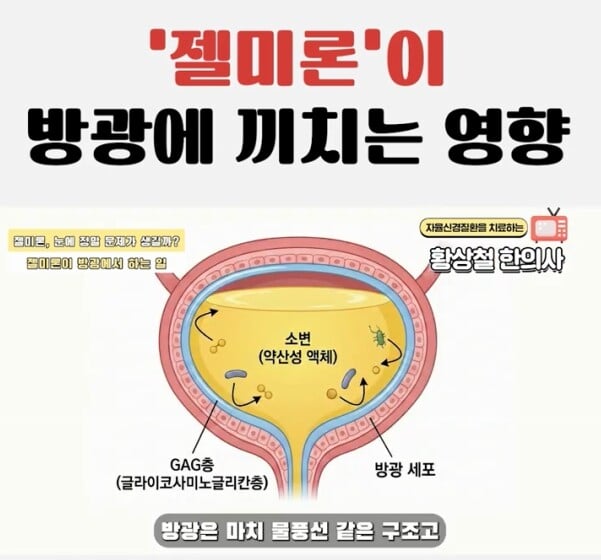
Potassium, an essential mineral in our bodies, is a nutrient that is generally beneficial to our health. But for people with interstitial cystitis, things can work a little differently. In interstitial cystitis, the lining that protects the bladder mucosa is often damaged or thinned, so it reacts differently than a normal bladder. Under normal conditions, this lining keeps irritants out of the urine, but when it’s weakened, potassium can come in direct contact with the bladder lining and irritate nerve endings, which can cause symptoms like burning pain, urgency, and urge urination.
This response has been confirmed in real-world studies
Clinical studies have also confirmed this response. A study of patients with interstitial cystitis reported a stronger pain response when a high-potassium solution was injected into the bladder than normal saline, suggesting that potassium itself may be an irritant in a weakened bladder environment rather than a problem.
More Foods Have Potassium Than You Think
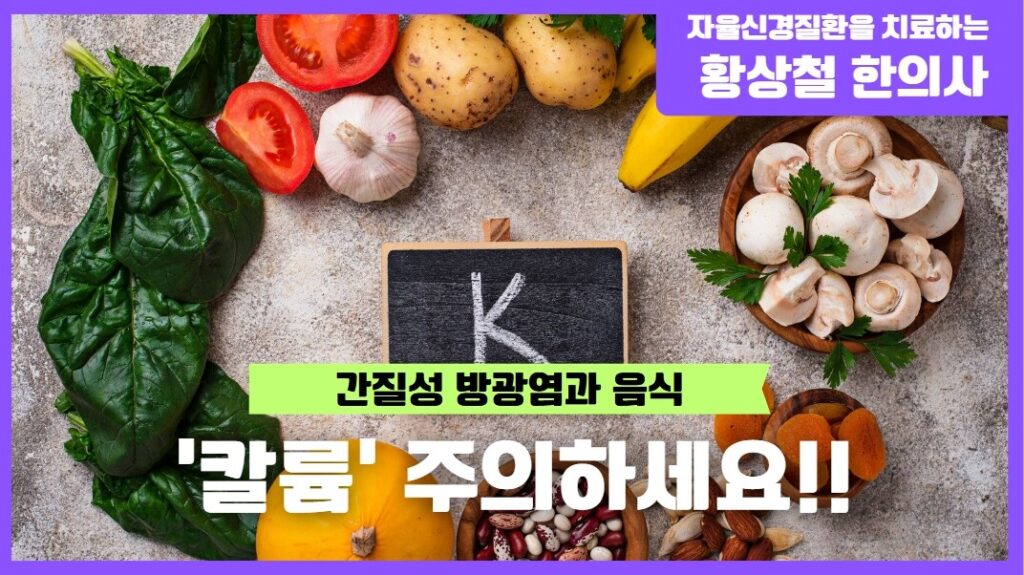
Potassium is not unique to certain foods, but is widely available in many foods that we often think of as healthy. Bananas contain over 360 mg of potassium per 100 grams, and if they are unripe, they also contain tannins, which can cause further bladder irritation. Lentils are also high in potassium and contain tannins in their shells, which can be hard on sensitive bladders. Other potassium-rich foods include persimmons, potatoes, sweet potatoes, and tomatoes, so it may be helpful to limit your intake during times of severe symptoms.
So should you avoid them for life?
This doesn’t mean you have to avoid these foods for the rest of your life – the important thing is not to limit yourself to certain foods, but to identify which foods trigger symptoms in your current bladder condition. Because interstitial cystitis isn’t about the food itself, it’s about how your overactive bladder reacts to it, so the same food can trigger completely differently for different individuals. It’s important to understand that a food that’s good for someone else may be a burden for you.
In the end, it’s all about knowing your body’s response
The most important part of managing interstitial cystitis is not memorizing a list of foods, but observing how your body reacts to them. You need to take note of which foods trigger your symptoms and make adjustments so that you can gradually reduce bladder irritation and stabilize your symptoms. If you understand and apply this process, it can definitely help improve your symptoms. If you have any questions or changes you’ve experienced, please share them with us so we can help others who may be struggling with the same symptoms.