

Table of Contents
Hello. I am Dr. Sang Cheol Hwang, Director of Autonomic Nervous System Research and Treatment.
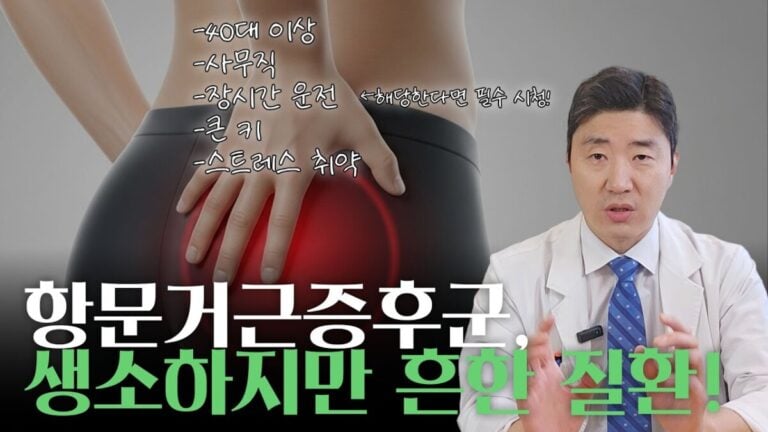
If you have pain deep in your anus or perineum for no reason, especially if it gets worse on a stressful day, you must consider the possibility of anal hypertrophic muscle syndrome rather than simple hemorrhoids or inflammation. In fact, many patients tell us that the more they worry about it, the more it hurts, and that the pain comes on as soon as they get nervous.

What is anal megalomania syndrome?
Anal hypertrophic muscle syndrome is a functional pain syndrome caused by persistent excessive tension of the anal hypertrophic muscles of the pelvic floor muscles that encircle the anus and rectum. It is characterized by recurrent episodes of deep, heavy pain, prickling neuralgia, and perineal discomfort in the absence of visible structural abnormalities such as inflammation, tumors, or dentition. Examination often reveals normal findings, which can further confuse the patient.

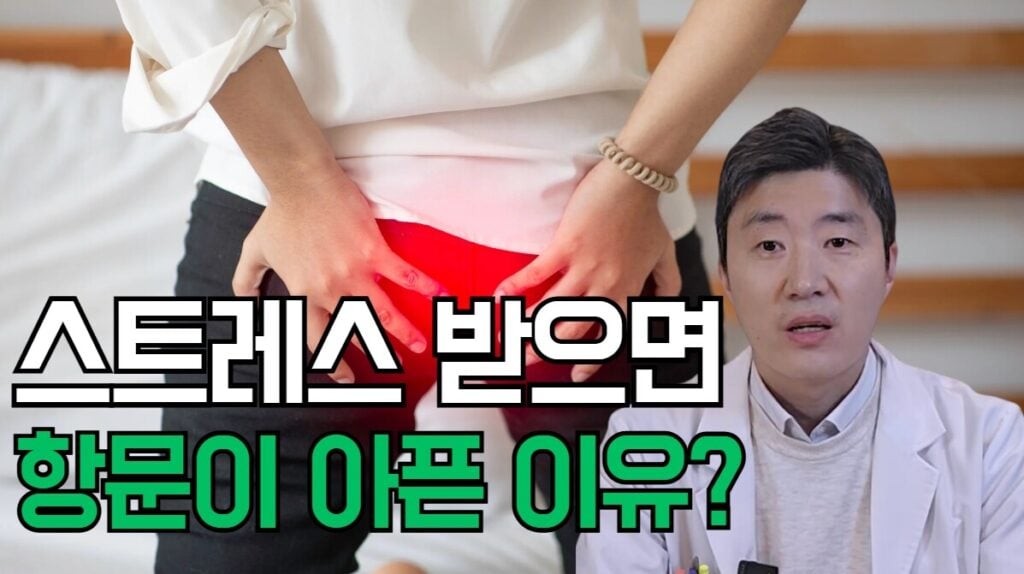
Why does stress make pain worse?
Stress activates the sympathetic nervous system in our body’s autonomic nervous system. The sympathetic nervous system is responsible for tensing the body and contracting muscles in a crisis situation. At this time, not only the shoulders and neck, but also the pelvic floor muscles and the muscles of the anal vertebrae are involuntarily tensed. The problem is when this tension is not released in a short period of time and is repeated.
When the anal eminence muscle remains contracted, blood flow inside the muscle decreases, fatigue substances accumulate, and the nerves that pass through the area become continuously irritated. This causes pain signals to become hypersensitive, changing the condition to one in which even a small stimulus causes a great deal of pain.

How are the autonomic nervous system and pelvic floor muscles connected?
Pelvic floor muscles are difficult to control consciously. It is mostly influenced by the autonomic nervous system and thus directly reflects stress, anxiety, and tension. In particular, when the sympathetic nervous system is overly activated, the muscles remain in a contracted state and the relaxation function, handled by the parasympathetic nervous system, does not function properly.
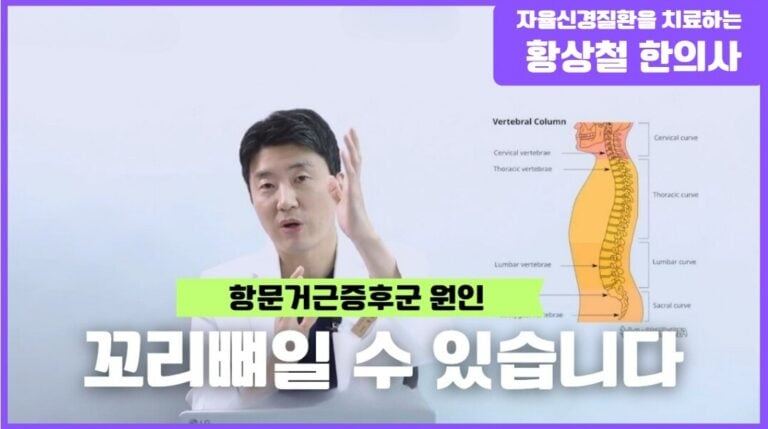
When this condition persists, discomfort appears not only in the anal elevator muscles, but also in the bladder, rectum, and perineum as a whole, often accompanied by frequent urination, residual urine, an unrefreshing feeling after defecation, and even back and lower back pain.
Why does it hurt more when I sit down?
Patients with anal hypertrophic muscle syndrome commonly complain that it hurts more when they sit. In a sitting position, continuous pressure is exerted on the pelvic floor muscles, making the already strained anal erectors more easily fatigued. On the other hand, lying down or in a relaxed body posture reduces the pressure and relatively alleviates the pain. This is another characteristic aspect that can be explained by muscle tension and autonomic issues.

Anal hypertrophic muscle syndrome, why can’t it be cured with ointments and suppositories?
Ointments and suppositories can temporarily improve local blood flow and alleviate superficial irritation, but they are limited in their ability to resolve the muscle tension and autonomic imbalance that are the core causes of anal hypertrophy syndrome. As a result, repeated treatment of hemorrhoids often results in persistent or rather unexplained pain.
How does Chinese medicine approach this?
In Chinese medicine, anal hypertension is not simply a problem of the anal region, but is approached together as a stress response and autonomic regulation problem. The core of treatment is to stabilize the overexcited sympathetic nervous system and restore systemic balance so that the pelvic floor and anal hypertrophic muscles can relax naturally.
Acupuncture, herbal and herbal medicine treatments can lower nerve irritability, relieve muscle tension, and gradually calm recurring pain circuits. This is why it is important to treat tension patterns throughout the body together, not simply in the area of pain, in order to reduce recurrence.

Pain is also a sign if you are under a lot of stress
Anal Hypersensitivity is not a rare disease. It is just that it is often embarrassing to talk about and easy to be told that tests show nothing wrong, so we often endure it alone. If the more stressed you are, the worse the pain gets, that is a clear signal sent by your body. Instead of forcing yourself to endure the pain, the best way to recover is to look together at why this pain has occurred, the tension in the body, and the balance of the autonomic nervous system. Anal pain, sphincter pain, don’t put up with it anymore!