


A Self-Check Guide for Pudendal Neuralgia Symptoms and Causes
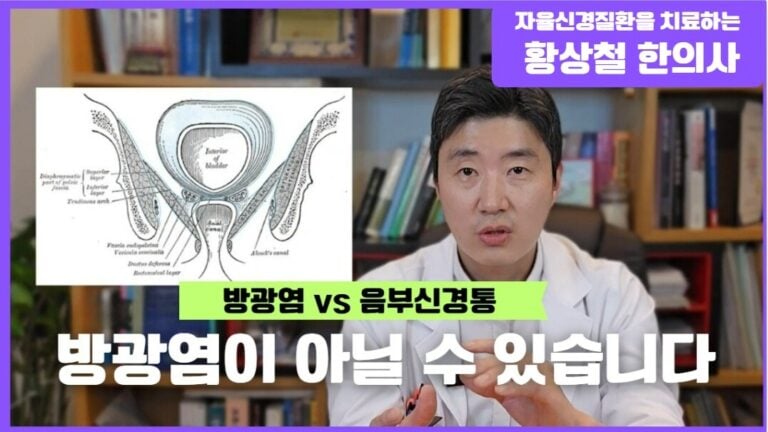
If you’re experiencing stabbing, burning pain in your perineum or around your anus every time you sit down, you may have pudendal neuralgia. Pudendal neuralgia is a condition caused by compression or damage to the pudendal nerve in the lower pelvis, and early treatment is crucial. However, many patients miss the timing of treatment due to embarrassment or lack of information. Here’s a look at the typical pattern of this condition, along with a handy checklist you can do at home.
The main symptomatic features of pudendal neuralgia
The most characteristic feature is the change in pain with posture. Standing or lying down usually relieves the pain, but sitting on a hard chair causes it to worsen dramatically. The pain can be described as a cutting sensation, electricity, tingling, or even insect crawling. The pain often radiates to the perineum and anus, as well as around the genitals, limiting daily social activities.
Why Do I Get Pudendal Neuralgia?
The causes of pudendal neuralgia fall into two main categories: physical pressure and muscle strain. Long bike rides or sitting in a hard chair for long periods of time can put constant pressure on the pathway the pudendal nerve travels, causing inflammation. Also, if the pelvic floor muscles are overly tense or tight, they can trap the nerve and cause pain. Stress or psychological tension is also a major trigger, as it causes the pelvic floor muscles to contract, exacerbating symptoms.
Guided self-checklist by type
Below is a self-checklist to help you figure out what type of pain you’re experiencing. Read through each question and compare it to how you usually feel. Based on your results, you may notice a trend.
Why consult an expert
This self-checklist is meant as a guide to understand your condition, but an accurate diagnosis should be made by a healthcare provider. Because pudendal neuralgia requires longer treatment and increased nerve sensitivity the more chronic it becomes, it is wise to seek appropriate counseling early on. If your symptoms persist or are accompanied by urination and sexual dysfunction, we recommend that you do not delay and seek professional help to create a structured recovery plan.