

Table of Contents
What is Anorectalgia, the Unspeakable Pain Around the Anus?
If you feel a tightness or a heavy foreign object in your anus when you sit down, you may have Levator Ani Syndrome. If you don’t have any inflammation or hemorrhoids on a colorectal exam and the pain persists, it’s most likely due to a structural problem or muscle overstrain. In this article, we will analyze the causes of Levator Ani Syndrome from the perspective of the autonomic nervous system and pelvic floor muscles, and take a closer look at the TCM approach to treatment.
Why Do Kegel Exercises Make Pain Worse?
Many people start doing **Kegel exercises** when they hear they have pelvic muscle problems. However, for people with anal sphincter syndrome, Kegel exercises can be a “poison”.
- Hypertonicity of the muscles: The key to this condition is not that the muscles are weak, but that they are too tight and stiff. Kegel exercises, which force tight muscles to contract more forcefully, shorten the muscle fibers and compress the nerves.
- Nerve sensitization: Excessive contractions irritate surrounding nerves, increasing sensitivity to pain.
- Risk of increased abdominal pressure: A rapid rise in abdominal pressure during intense strength training or core-strengthening movements in Pilates can strain the pelvic floor muscles and cause symptoms to worsen rapidly.
- The key is “relaxation,” not “tightening.

Keys to Chinese Medicine: Zhang Kang Blood and Palmyra Blood
Chinese medicine utilizes key acupuncture pointsto open up qi circulation in the lower pelvic area and reduce nerve tension when treating anal sphincter syndrome.
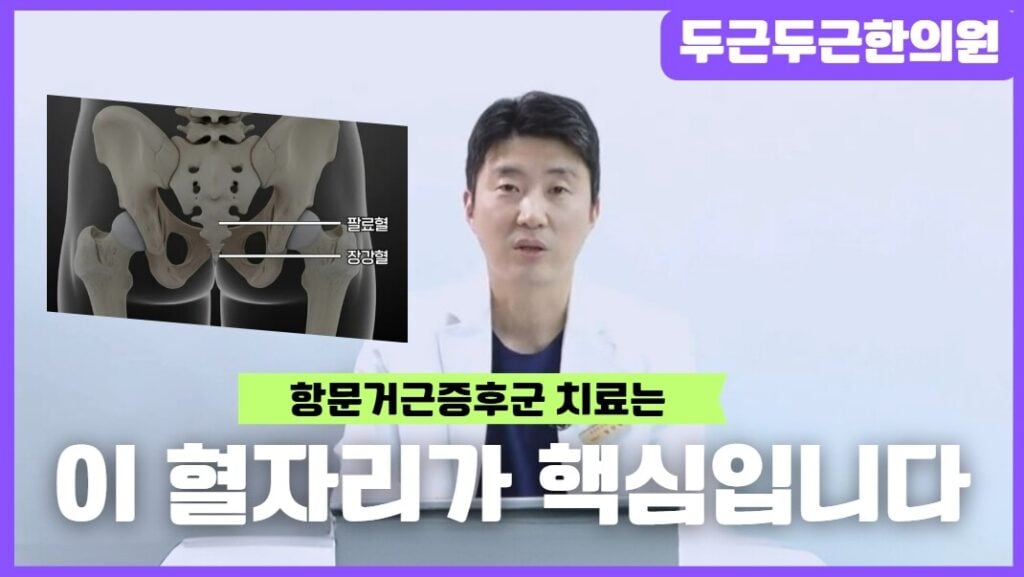
(1) Zhang Gang Blood (長强穴): Center of the pelvis
Located between the tip of the tailbone and the anus, the Long Qiang Point is an important point where the Poison Vein (督脈) begins.
How it works: Stimulating the iliac acupuncture point through acupuncture or medicinal needles can have an immediate effect of relaxing tension in the anal sphincter and puborectalis muscle. It is excellent for eliminating congestion (pooling of blood) in the pelvic cavity.
The Eight Acupuncture Points: Stabilizing switch of the nervous system
This acupuncture point corresponds to the eight holes in the hip bone (sacrum), which are the pathways for the nerves in the pelvis to the bladder, anus, and genitals.
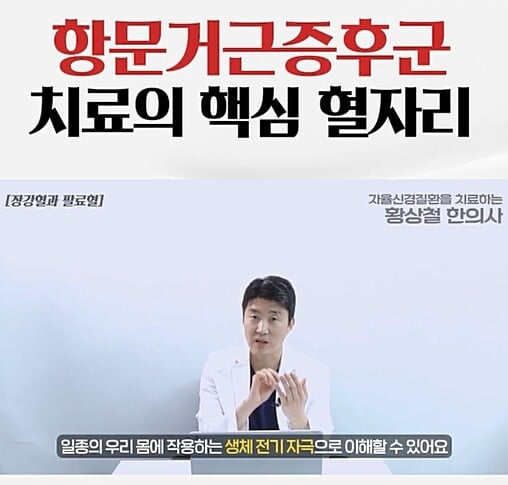
How it works : Acupuncture stimulation applied to the pelvic floor acts as a type of bioelectric stimulation. This stimulation is transmitted to the spinal cord and brain to help release pain-inhibiting substances, stabilize overactive autonomic nerves, and encourage muscles to relax naturally.
Structural correction and pain relief of the tailbone (coccyx)
Many people with anal retentive syndrome have an exaggerated inward curvature of the tailbone, which pulls on the surrounding figures and muscles (such as the pubococcygeus and iliac crest muscles), causing chronic pain.
- Chuna therapy (manual therapy): A practitioner manually repositions the tailbone to reduce tension in the surrounding muscles. Once the structure is corrected, blood and lymph circulation improves, which increases natural healing.
- Improved blood and lymph circulation: When muscles relax, blood flow to the area increases. This flushes out waste buildup in the tissue and brings oxygen to the area, breaking the chronic pain cycle.
I thought it was hemorrhoids, but what is it? Causes and Diagnosis – Doojeondooyang Medical Center
Self-care techniques you can do at home: Diaphragmatic relaxation breathing
The safest exercise to combine with hospital treatment is ‘relaxation through breathing’.
- Position: Lie comfortably, bend your knees, and tense your abdominals.
- Breathing: Inhale deeply through your nose and imagine your lower belly and pelvic floor inflating like a balloon.
- Feel: As you exhale, focus on the sensation of your anus, perineum, and tailbone area dropping to the floor and spreading out.
- Time: Allow yourself 5 to 10 minutes a day.
How to regain pelvic peace
Anal sphincter syndrome is more than just muscle pain; it’s a complex condition involving autonomic and structural tension. Rather than trying to force yourself to build strength with the idea that “exercise will make it better,” we recommend that you consult with a professional to seek out herbal treatments to release knots and correct your structure. With careful diagnosis and compassionate treatment, we can help you get back to your normal life.