

Table of Contents

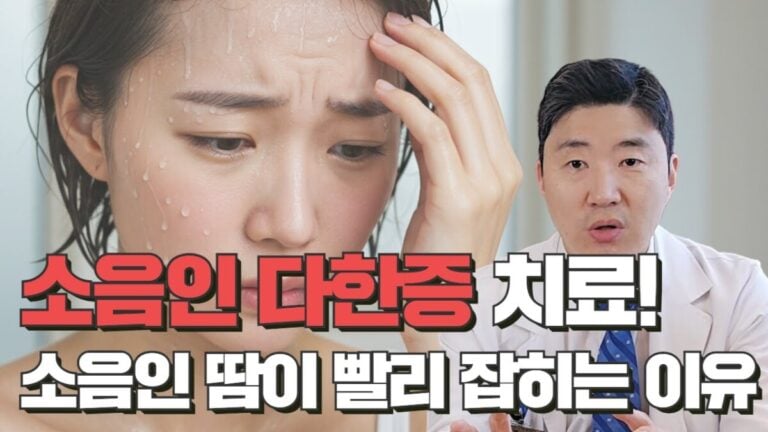
hello. I’m Dr. Sangchul Hwang, who studies and treats autonomic nerves. In my clinic, I often meet people who suffer from hyperhidrosis, and while many people think that the cause of excessive sweating is due to constitution or heredity, there are many cases where daily habits can cause or aggravate hyperhidrosis. Today, we’ll focus on two of the most common lifestyle habits we see in people with hyperhidrosis to help explain why they sweat so much and what you can do about it.

Understand the relationship between hyperhidrosis and the autonomic nervous system
Hyperhidrosis is not simply a problem of having too many sweat glands, but more of a functional condition caused by an imbalance in the autonomic nervous system. The body’s sweat production is governed by the sympathetic nervous system, and when the sympathetic nervous system is over-excited, the body’s thermoregulation becomes unstable and sweating is more likely to occur at the slightest stimulus. When the body is unable to regulate its own heat, especially during periods of stress or fatigue, the body is more inclined to sweat to release heat, and hyperhidrosis becomes more chronic as this process repeats itself.
Habits that Make Hyperhidrosis Treatment Difficult|Lifestyle Patterns that Worsen Symptoms – Doosan Medical Center

Habits that cause hyperhidrosis No. 1 – Lack of sleep and irregular lifestyle
Lack of sleep is one of the most common lifestyle habits that worsen hyperhidrosis. If you don’t get enough sleep at night, or if your sleep is unevenly distributed, the sympathetic nervous system’s state of excitement can remain unresolved and carry over into the next day. The habit of staying up late at night on your smartphone or computer, in particular, keeps your brain alert and prevents deep sleep, which can disrupt both your body’s ability to regulate temperature and sweat production. In fact, many people with hyperhidrosis experience restless sleep, frequent awakenings, and dreamy sleep, which is characterized by sweaty hands, feet, face, and underarms.
Habits that cause hyperhidrosis number two – irritating foods and too much caffeine
Spicy foods and frequent caffeine consumption are also important factors that can exacerbate hyperhidrosis. Spicy foods, fatty foods, frequent alcohol consumption, and caffeinated beverages such as coffee raise the body’s temperature rapidly and directly stimulate the sympathetic nervous system. Caffeine tends to increase heart rate and dilate peripheral blood vessels, making symptoms more pronounced in those who suffer from palmar or plantar hyperhidrosis. Repeated consumption can lead to dysregulation of the autonomic nervous system beyond a temporary increase in sweating, resulting in a condition that can progress to excessive sweating at the slightest strain or temperature change.

The key to managing hyperhidrosis is lifestyle modification and constitutional adjustments.
Stabilizing sleep rhythms and reducing irritating dietary habits are often enough to reduce the sympathetic nervous system’s excitability, resulting in a noticeable decrease in sweating. Combining this with treatments that are tailored to the individual’s constitution and autonomic nervous system to regulate body heat and reduce fluid consumption can lead to more fundamental improvements. If you’re experiencing excessive sweating that’s causing you discomfort in your daily life, it’s worth considering whether your current lifestyle may be exacerbating your hyperhidrosis instead of dismissing it as a simple hygiene issue.