

Table of Contents
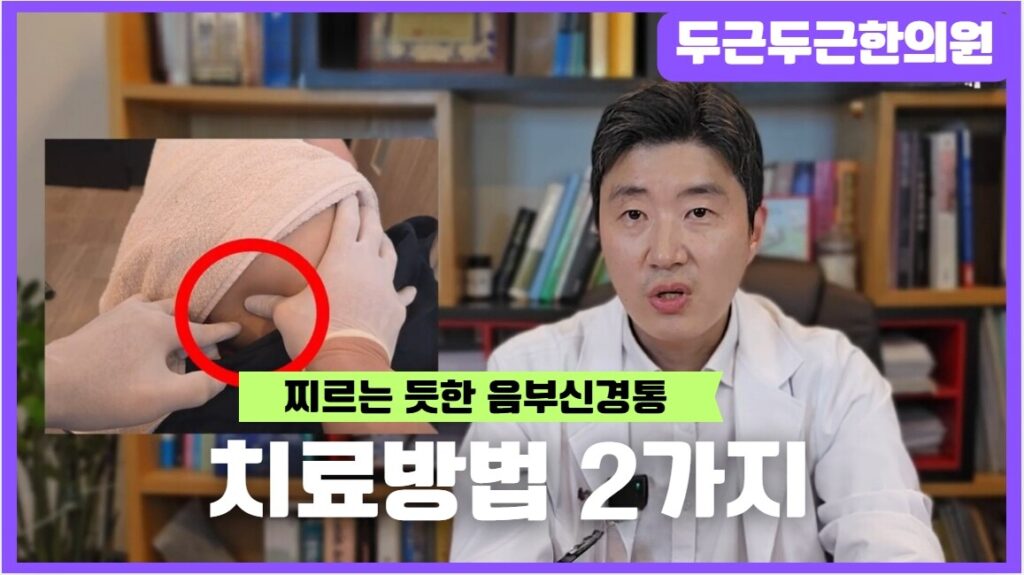
Pudendal Neuralgia: What Are the Treatments?
hello. I’m Dr. Sangchul Hwang, a doctor who studies and treats autonomic nerves. Today, I’d like to share with you how to treat pudendal neuralgia. Pudendal neuralgia is a condition that often causes pain that is normal on examination but makes it difficult to perform daily activities. Symptoms include difficulty sitting, burning or stabbing pain in the perineum or around the anus, and lingering discomfort after urinating. Many people think it’s a problem with the nerve itself, but it’s often a problem with the surrounding muscles and pelvic structures that are compressing the nerve.
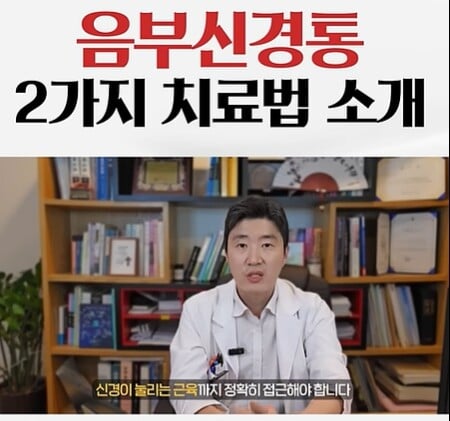
First treatment principle: Relax the internal obturator muscles that compress the pudendal nerve
The pudendal nerve runs deep in the pelvis, and around it is an important muscle called the internal obliques. This muscle is responsible for stabilizing the pelvis and maintaining posture, but it can become overly tense due to prolonged sitting, pelvic imbalances, and repetitive strain. When the internal obturator muscle is tense, it can compress the pudendal nerve that runs right next to it, resulting in a variety of nerve symptoms such as burning pain, pins and needles, foreign body sensations, and urinary retention. Therefore, an important first principle of treatment is to relax the exact muscle that is compressing the nerve, not the pudendal nerve itself. As the tense muscle relaxes, the nerve compression decreases, and the nerve’s irritability can gradually stabilize.

Second Treatment Principle: Restore pelvic alignment to improve nerve compression environment
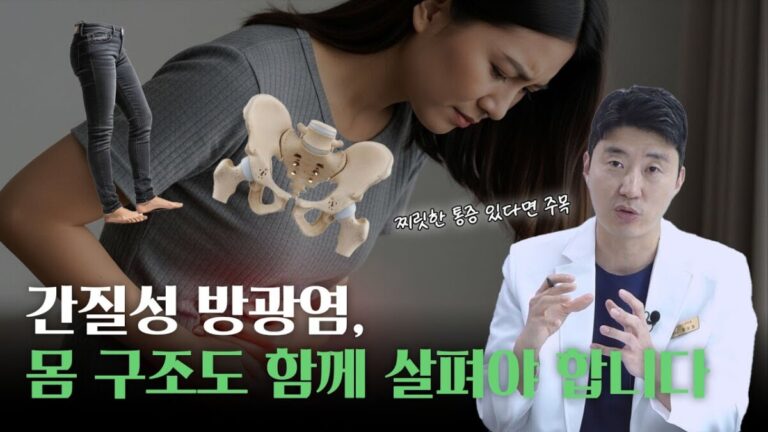
Sometimes relaxing the muscles is not enough. This is because if the pelvis itself is misaligned, the space for the pudendal nerve to pass through remains narrowed. Small misalignments, especially in the iliac crest, sacrum, and tailbone, can create a constant compressive environment in the passage of the pudendal nerve. In these cases, it’s important to combine treatment to restore balance to the pelvis. Once pelvic alignment is restored, the nerves have more room to travel, muscle tension is reduced, and a more stable recovery environment can be created.
Why I keep getting sick even though my tests are normal, it could be pudendal neuralgia, not cystitis – 두근한의원
In treating pudendal neuralgia, it’s not the ‘nerve’ that matters, it’s the ‘environment’
Pudendal neuralgia is often caused by problems with the environment the nerve travels through, rather than damage to the nerve itself, which means that a more holistic approach to recovery involves considering the muscles and pelvic structures that are compressing the nerve. It’s not just a pain-reduction approach, but one that addresses the muscle tension and pelvic alignment that are contributing to the nerve compression.

Recovery starts with understanding the cause
Pudendal neuralgia is often manageable when approached with an understanding of the cause. Especially if you’ve been told that tests show no abnormalities but the pain persists, it’s worth considering that the problem is not with the nerve itself, but with your muscles and pelvic structure. Pain is an important signal from your body, and understanding exactly what’s causing it and managing it properly can be the start of your recovery.