

Table of Contents
hello. I’m Dr. Sangchul Hwang, who studies and treats autonomic nerves.
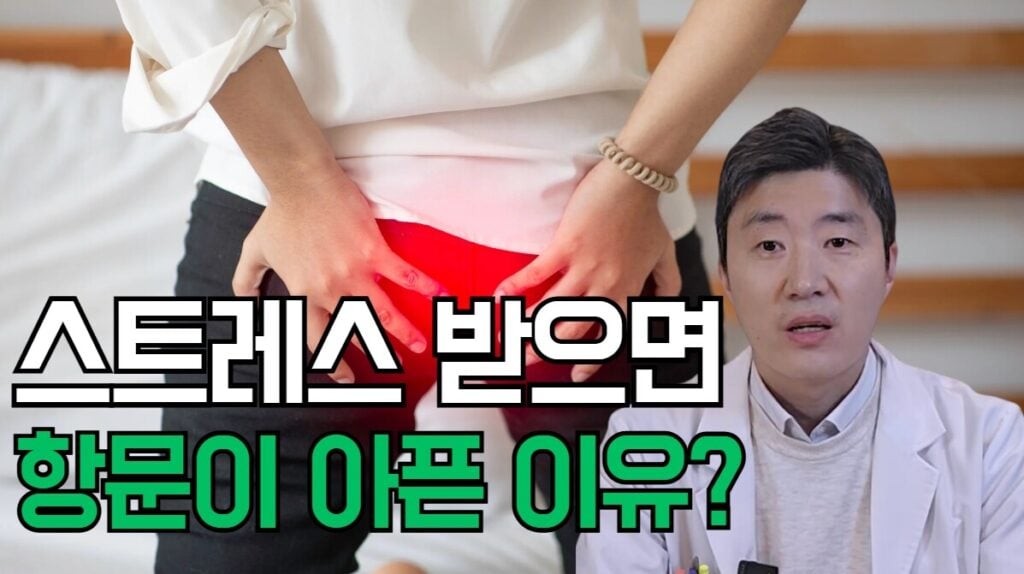
If you have unexplained pain deep in your anus or perineum, especially on stressful days, you should consider the possibility that you have anal levator ani syndrome, not just hemorrhoids or inflammation. In fact, many patients say, “The more I think about it, the more it hurts,” or “When I tense up, the pain immediately comes up.”
What is anal sphincter syndrome?
Anal sphincter syndrome is a functional pain syndrome caused by persistent overstrain of the anal sphincter, the pelvic floor muscle that surrounds the anus and rectum. It is characterized by recurrent episodes of deep, aching pain, shooting nerve pain, and perineal discomfort without any visible structural abnormalities such as inflammation, tumors, or dental problems. Examination often yields normal findings, further confusing patients.

Why Stress Makes Pain Worse
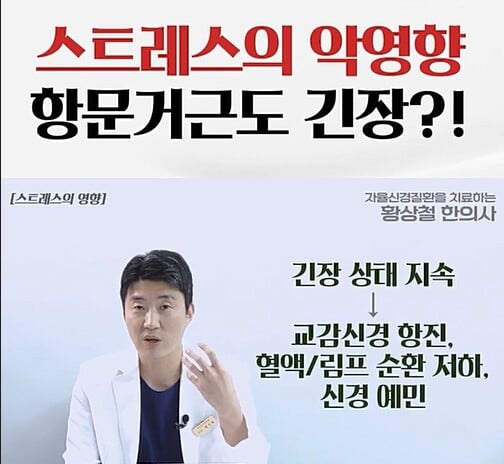
When you’re stressed, your body’s autonomic nerves activate the sympathetic nerves. The sympathetic nerves are responsible for tensing your body and contracting your muscles in times of crisis. It’s not just your shoulders and neck that tense up, but also your pelvic floor and anal sphincter muscles. The problem is when this tension is short-lived and repeated.
If the anal sphincter remains contracted, blood flow within the muscle is reduced, fatigue substances build up, and the nerves that run around it are constantly irritated. This can lead to hypersensitivity to pain signals and a heightened sensitivity to small stimuli.

How are the autonomic nerves and pelvic floor muscles connected?
The pelvic floor muscles are difficult to consciously control. They are mostly influenced by the autonomic nervous system, which directly reflects stress, anxiety, and tension. In particular, when the sympathetic nervous system is overactive, the muscles remain contracted and the parasympathetic nervous system’s relaxation function fails.
This condition can cause discomfort not only in the anus, but also in the bladder, rectum, and perineum, and is often accompanied by urinary urgency, urge urinary retention, a feeling of looseness after a bowel movement, and even back or buttock pain.
Why does sitting hurt more?
A common complaint from patients with anal sphincter syndrome is that “it hurts worse when I sit down”. In a seated position, there is constant pressure on the pelvic floor muscles and the already strained anal sphincter becomes more easily fatigued. In contrast, when lying down or in a relaxed position, the pressure is reduced and the pain is relatively relieved. Again, this is a characteristic behavior that can be explained by muscle tension and autonomic issues.

Anal sphincter syndrome, why doesn’t it get better with ointments or sitz baths?
While ointments and sitz baths can help temporarily improve local blood flow or relieve surface irritation, they do little to address the muscle tension and autonomic imbalance that are at the heart of piles, which is why hemorrhoid pain often persists after repeated treatments, or worse, remains unexplained.
How does Chinese medicine approach this?
In Chinese medicine, anal sphincter syndrome is not just a problem of the anal area, but rather a stress response and autonomic dysregulation issue. The key to treatment is to stabilize the overactive sympathetic nervous system and restore systemic balance so that the pelvic floor muscles and anal sphincter can relax naturally.
Acupuncture, medicinal acupuncture, and Chinese herbal treatments are used to desensitize nerves, relax muscles, and help repetitive pain circuits gradually calm down. This is why addressing tension patterns throughout the body, not just the sore spot, is so important to reducing relapse.

If you’re stressed, pain is a sign
Anal sphincter syndrome is not uncommon, it’s just that it’s embarrassing to talk about, and it’s easy to be told that tests show nothing wrong, so it’s often pushed to the side. If the pain gets worse when you’re stressed, that’s a clear sign from your body. Rather than pushing through the pain, looking at your body’s tension and autonomic balance to understand why it’s happening can be the start of recovery. Anal pain, sphincter pain, don’t put up with it!