


Table of Contents
Interstitial Cystitis and Kegel Exercises: Are They Really Good for the Bladder?
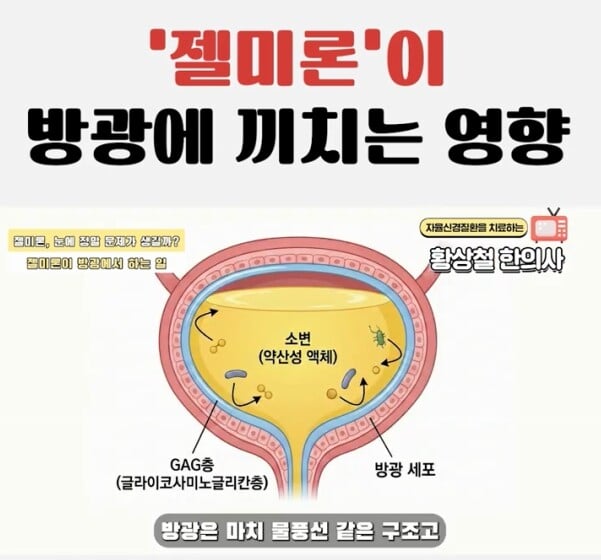
“I’ve heard that if you have a weak bladder, you should do Kegel exercises.” This is something we often hear from people suffering from interstitial cystitis. Kegel exercises are a well-known way to strengthen the pelvic floor muscles and can be helpful for urinary incontinence and certain urinary disorders. That’s why many people believe that “Kegel exercises are good for the bladder.” However, the situation may be a little different when it comes to interstitial cystitis or bladder pain syndrome.
Why You Should Be Careful About Kegel Exercises If You Have Interstitial Cystitis
Interstitial cystitis is a chronic condition characterized by recurring symptoms such as bladder-related pain, pressure, discomfort, and frequent urination. In some patients, these symptoms may be accompanied not only by problems with the bladder itself but also by excessive tension or tenderness in the pelvic floor muscles. In this condition, continuing Kegel exercises—which involve repeated, forceful contractions of the pelvic floor muscles—may increase muscle tension, potentially worsening pelvic pain or discomfort during urination.
The American Urological Association (AUA) guidelines for interstitial cystitis/painful bladder syndrome also recommend considering appropriate manual physical therapy for patients with tenderness or tension in the pelvic floor muscles, while advising against pelvic floor strengthening exercises such as Kegel exercises.
“Weak pelvic floor muscles” and “tight pelvic floor muscles” are not the same thing.
This is the most important part.
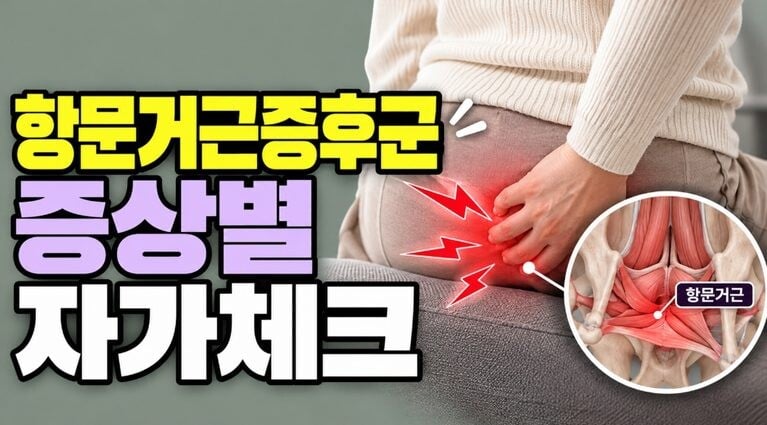
The pelvic floor muscles support the bladder, urethra, and rectum and are involved in controlling urination and bowel movements. Therefore, if the pelvic floor muscles are weak, strengthening exercises may be necessary. However, if the pelvic floor muscles are already excessively tense, an approach aimed at relaxing the muscles and restoring normal movement may be necessary instead.
Simply put, “weak muscles” and “tight muscles” are not the same problem.
However, if you rely solely on information found online stating that “Kegel exercises are good for the bladder” and continue to contract your pelvic floor muscles without first assessing your own condition, you may actually experience increased discomfort.
If your symptoms have worsened after doing Kegel exercises, check this out
What if you experience soreness or a heavy sensation in your perineum after starting Kegel exercises? Or what if your frequent urination worsens, the discomfort of a full bladder becomes more pronounced, or pain around your pelvis increases? Rather than simply assuming it’s “due to a lack of exercise,” it’s a good idea to check the current state of tension in your pelvic floor muscles.
In particular, if you experience recurring frequent urination and bladder pain even though a urine test reveals no bacteria or obvious infection, and if you follow a pattern where the pain intensifies as your bladder fills and then eases slightly after urination, it is necessary to rule out various causes, including interstitial cystitis and bladder pain syndrome.
In cases of interstitial cystitis, “relaxation” may be needed rather than “contraction.”
Treatment for interstitial cystitis is not a one-size-fits-all approach. The latest AUA guidelines also recommend tailoring treatment to each patient’s symptoms and condition, and selecting options—such as lifestyle and behavioral modifications, pain management, medication, intravesical therapy, and appropriate pelvic floor physical therapy—based on the specific circumstances. It is also recommended that initial treatment generally begin with a non-surgical approach.
In particular, when there is tenderness or excessive tension in the pelvic floor muscles, treatment aimed at relaxing the tense muscles and restoring mobility to the surrounding tissues may be considered rather than simply strengthening the muscles. The appropriate pelvic floor physical therapy recommended by the AUA also focuses on relieving muscle tension and alleviating restrictions in the tissues that cause pain.
That doesn’t mean Kegel exercises are bad for everyone, though.
It is also important to distinguish this point.
Just because a patient has interstitial cystitis does not mean they should absolutely avoid doing Kegel exercises.
This is because the condition of the pelvic floor muscles varies from person to person, and in some cases, urinary incontinence or pelvic floor muscle weakness may also be present. Therefore, the key isnot to simply prohibit Kegel exercises outright, but to determine whether your pelvic floor muscles are weak or overly tense and to choose exercises that are appropriate for your specific condition.
In particular, if you experience increased pain or frequent urination whenever you do Kegel exercises while experiencing symptoms of interstitial cystitis, it is advisable to have a healthcare professional evaluate the condition of your pelvic floor muscles rather than continuing to push through the exercises.
If you have these symptoms, you should also have your pelvic floor muscles checked.
If a urinalysis does not reveal any specific infection but you continue to experience frequent urination; if pain increases as your bladder fills and temporarily subsides after urination; or if you feel a heavy, aching sensation in your perineum or pelvis; or if pelvic pain worsens when sitting for long periods, it is important to determine whether the issue is limited to the bladder or if it involves tension in the pelvic floor muscles as well.
In addition, if symptoms worsen during periods of high stress or sleep deprivation, it is also possible to examine the relationship between pain and pelvic floor muscle tension.
More important than exercises that are “good for the bladder” is the condition of my body.
Kegel exercises are a good form of exercise, but they are not a one-size-fits-all solution for all bladder symptoms.
Especially in cases of recurring bladder pain, such as interstitial cystitis, it is important to first assess the current condition of the pelvic floor muscles rather than taking the approach that “since the bladder is weak, you need to tighten it more.”
If a muscle is weak, it may need to be strengthened, but if it is already tense, it may need to be relaxed.
Ultimately ,what matters isn’t whether you exercise or not, but recognizing what your body needs right now.
If you have been experiencing frequent urination and bladder pain for a long time due to interstitial cystitis, it may be helpful to consider not just the bladder, but also the pelvic floor muscles, pain and nerve sensitivity, and lifestyle habits.