

Table of Contents

Hello.
I am Dr. Hwang Sang-cheol, a specialist in the study and treatment of the autonomic nervous system.
When treating patients who visit our clinic for interstitial cystitis, there is one comment I hear most frequently.
“Doctor, one hospital says I have interstitial cystitis, but another says I don’t.”
“One hospital said there was an abnormality on the cystoscopy, but another hospital said my bladder looks fine.”
Many patients feel confused because they’re experiencing the same symptoms but receiving different diagnoses.
Today, I’ll explain why diagnoses of interstitial cystitis can vary from hospital to hospital and what factors are truly important to consider.
Symptoms of interstitial cystitis: If you have these characteristics, you may want to consider the possibility
The most common symptoms reported by patients with interstitial cystitis are as follows.
As the bladder fills with urine, there is a feeling of pressure.
The lower abdomen feels tight or the pain intensifies.
The pain temporarily subsides after urination.
You find yourself going to the bathroom frequently.
There is a sensation of incomplete emptying.
A burning sensation in the urethra may also occur.
In particular, the fact that “the pain worsens as the urge to urinate increases and eases slightly after urination” is one of the hallmark features of interstitial cystitis (
).
Why the diagnosis of interstitial cystitis varies from hospital to hospital
This is something that many patients find puzzling.
One of the main reasons is the difference in cystoscopy techniques.
During a cystoscopy, saline solution is injected into the bladder to distend it.
However, the amount of saline solution injected may vary from hospital to hospital.
Some hospitals perform the test using about 400–500 cc,
while others may perform the test using only about 200–300 cc.
The more the bladder expands, the more likely it is that petechial hemorrhages will be observed.
Therefore, even for the same patient, one hospital may diagnose interstitial cystitis based on the presence of petechiae,
while at another hospital, they may be given a different diagnosis because no specific abnormalities are found.
Criteria for the diagnosis of interstitial cystitis that are actually important
Many people believe that only the results of a cystoscopy matter.
However, in reality, the nature of the symptoms is even more important.
The key points to check are as follows:
First, the presence of a Hunner’s lesion
Second, do you experience pressure or pain when your bladder fills up?
Third, does the pain subside after urination?
Fourth, whether these symptoms have persisted for more than 6 weeks
If these symptoms are present, interstitial cystitis should be strongly considered.
Conversely, the presence or absence of petechiae is merely a reference point and not an absolute criterion.
Interstitial cystitis is not just a bladder problem
In my practice, I find that cases involving only bladder symptoms are less common than one might think.
Pain around the vagina
Discomfort deep in the pelvis
Pain in the anal area
feeling of incomplete evacuation
Lower back pain
Pain in the tailbone
These symptoms often occur together.
Consequently, there is a growing trend to view interstitial cystitis not merely as a simple bladder disorder,
there has been a growing trend to understand it as a broader concept known as “interstitial cystitis.”
Why the problem keeps coming back even after taking medication
The medication and procedures offered by the urology department can certainly be helpful.
In fact, some patients experience significant improvement in their symptoms.
However, for some patients, symptoms persist or recur even after taking medication or undergoing procedures.
This is because the problem may not be limited to the bladder itself.
Tension in the pelvic muscles
Fascial adhesions
Reduced blood flow in the pelvis
Autonomic imbalance
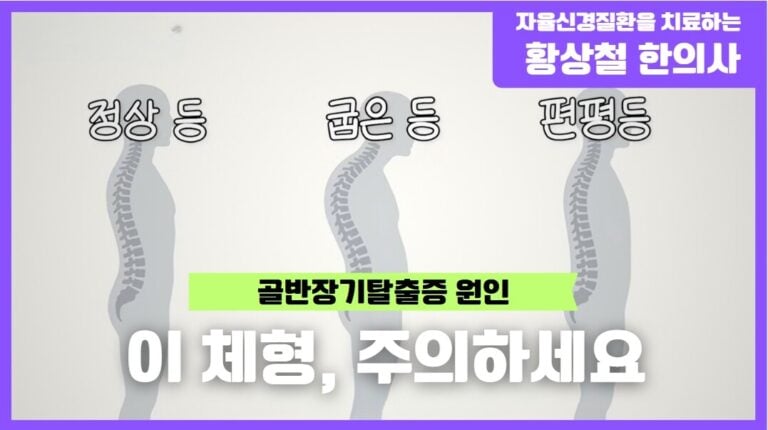
Spinal and Coccyx Problems
Poor posture
Lifestyle issues
If these underlying factors persist, treating the bladder alone may not be sufficient.
Diet and lifestyle habits are also very important.
One thing that surprised me while treating patients was that, even though they had suffered from interstitial cystitis for years,
many patients had never once been given advice regarding their diet or lifestyle.
However, in reality, lifestyle habits can have a significant impact on symptoms.
Caffeine
Spicy food
Excessive stress
Lack of sleep
Poor posture
The habit of sitting for long periods of time
These factors can make the bladder and pelvic tissues more sensitive.
Interstitial cystitis requires a broader perspective
Interstitial cystitis is often not simply a disease of the bladder alone.
Nerves connected to the bladder
Pelvic muscles
Fascia
Autonomic nervous system
Spine
Lifestyle habits
All of these factors can interact to contribute to the condition.
If your symptoms persist despite treatment, it may be necessary to take a holistic approach that considers the balance of your entire body rather than focusing solely on the bladder. Interstitial cystitis is not a condition you have to endure alone. If you are struggling with long-term, recurring pain and frequent urination, we encourage you to assess your current physical condition from a broader perspective.