

Table of Contents

Tests are normal but pain persists
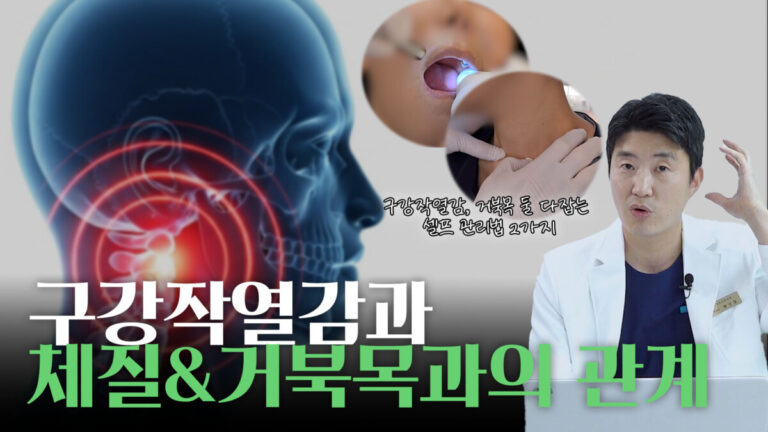
hello. I’m Dr. Sangchul Hwang, who studies and treats autonomic nerves. Most patients with burning mouth have visited several hospitals. They undergo MRI, CT, blood tests, and even autoimmune tests, but often come back with normal results. They are prescribed neuroleptics such as Rivotril or gargle, but many people are frustrated because their symptoms are not completely resolved. Burning mouth is characterized by a burning tongue, sore palate, and very uncomfortable gums or tongue tip, even though there is no visible abnormality. In this case, it is important to understand the real cause of the pain.

Cause 1: Nervous system overreaction
The first cause of burning mouth is not a problem with the tongue itself, but rather an overreaction of the nerves responsible for sensation. Sensation in the tongue is controlled by several cranial nerves, such as the trigeminal, glossopharyngeal, and vagus nerves, which play an important role in regulating sensation in the entire mouth, not just the tongue. In times of stress, autonomic imbalance, or nervous system sensitivity, pain and burning can occur without any specific damage. In this case, the test will not reveal any abnormalities, but the patient will feel distinct pain, which is caused by functional abnormalities in the nerves, not structural damage.
Cause 2: Nerve irritation after dental work
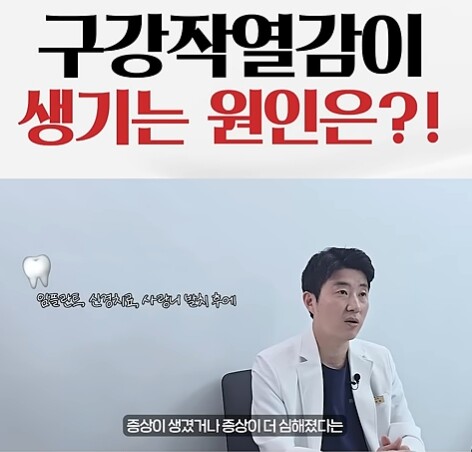
It’s not uncommon for burning mouth symptoms to start after dental work: dental implants, endodontic treatment, wisdom teeth extraction, and other procedures that require the mouth to be open for long periods of time can strain the jaw joint and surrounding muscles or irritate the nerves during anesthesia. The dental work itself may be completed normally, but the muscle tension or nerve irritation that occurred during the treatment process may lead to ongoing nerve irritation afterward, resulting in burning or soreness of the tongue, which often goes undetected on examination.

It’s the nerves that count, not the tongue
Many people think they have a tongue problem, but it’s actually a problem with the nerves that control the sensations in the tongue. Because sensations in the tongue are transmitted through nerves that originate in the head, restoring normal nerve flow and function can relieve symptoms. Therefore, it’s important to consider the balance of nerves and autonomic nerves that control the tongue, rather than simply treating the tongue alone.

Ribotril can help, but it may not be the end-all be-all solution
Neuroleptics, such as Rivotril, can help reduce symptoms by suppressing nerve excitement. However, if the cause of the nerve sensitivity is not addressed, symptoms may recur or never fully recover, so it’s important to understand and address the underlying cause.
Burning mouth? Check out this
Burning Mouth Self-Checklist
Burning mouth is a neurological condition with a clear cause
Many patients are frustrated and distressed when tests show no abnormalities. However, burning mouth is actually a functional problem of the nervous system, and once we understand the cause and work towards restoring balance to the nerves, we can expect to see a change in symptoms. It’s important to look at the nerves that control the tongue, not just the tongue.