


Table of Contents

Hello, I’m Dr. Sangchul Hwang, an autonomic nervous system researcher and therapist. Have you heard of baking soda therapy for cystitis? If you look at cystitis cafes or communities, there are both “I took baking soda and my bladder felt better” and “It didn’t work at all, and it made it harder”. Why does baking soda therapy for cystitis cause such a disparity? Let’s break this down from folklore to physiology and research evidence. The bottom line is that baking soda is not a cure-all for cystitis, but there are clear physiological reasons why it feels like it works for some patients.
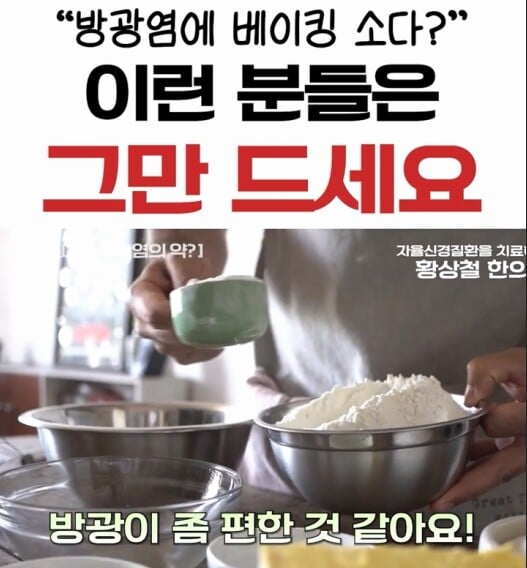
What does baking soda change?
Many people think that taking baking soda, or sodium bicarbonate, alkalizes the body, but blood pH is very tightly regulated by the lungs and kidneys. Normal blood pH ranges from 7.35 to 7.45, and anything outside of this range is a disease state. It’s nearly impossible to meaningfully change blood pH with food or supplements, and dangerous to do so. So why do some patients experience symptom relief? The key is not blood, but urine.
Sodium bicarbonate and buffer
System Sodium bicarbonate is a substance involved in the body’s acid-base buffering system. When taken orally, it reduces the acid load processed by the kidneys, which in turn can affect the concentration of hydrogen ions excreted in the urine. In other words, rather than forcibly alkalizing the entire body, it has the potential to make the urine temporarily less acidic. This is where bladder pain comes in.

Relationship Between Urine pH and Bladder Pain
Some people find that urinating first thing in the morning is particularly painful, or that it becomes sore and achy as it goes on, and that their urine pH is low (below 5) when tested. In these cases, the acidic urine may be irritating the sensitive bladder lining, which can play a role in amplifying the pain. When the bladder lining is damaged or overactive, the acidic stimulus makes pain signals louder. This is why even a small reduction in urine acidity can feel like a reduction in pain.
Why it doesn’t work for some people at all
If your urine pH is already in the normal range, if the main cause of your pain is nerve irritability or pelvic floor muscle tension rather than acidic irritation, or if your pain fluctuates greatly with stress, then a small adjustment to your urine acidity will not change the nature of your pain. This is why some cases where you don’t feel any effect at all are entirely explainable.

Side Effects of Hypoacidity
Some people report heartburn, nausea, bloating, and diarrhea after taking baking soda. Sodium bicarbonate reacts with stomach acid to produce carbon dioxide, which can cause belching and bloating. In people who are naturally low in acid secretion, neutralizing the remaining stomach acid can lead to poor protein digestion and food retention, which can lead to nausea and diarrhea. Osmotic diarrhea, caused by increased intestinal osmotic pressure, can also occur. In this case, the gastrointestinal side effects would lead to discontinuation before bladder symptoms are discussed.
Baking soda is not a cure for cystitis.
However, it has the potential to be an adjunctive tool in some patients where acidic urine stimulation is contributing to pain. However, it does not have the same effect on all patients, and side effects may be more pronounced in those with low stomach acid or poor digestive function. Therefore, it is not recommended for routine or indiscriminate self-use, and individual symptoms and reactions should be considered.