

Table of Contents
hello. I’m Dr. Sangchul Hwang, an autonomic nervous system specialist.
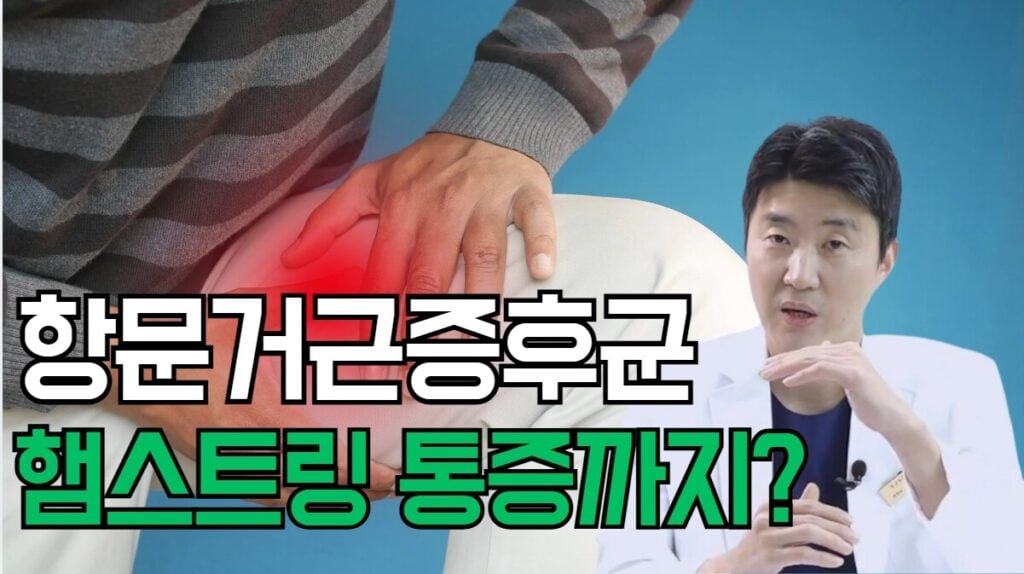
If you have a sore anus, uncomfortable bladder, and a pulling pain in the back of your thighs, you may simply be suffering from multiple conditions at the same time. In my practice, I often see patients with all three of these symptoms together. In these cases, it’s much more important to approach them from one common cause rather than separating them into different conditions.
What is anal sphincter syndrome?
Anal sphincter syndrome is a functional pain syndrome that occurs when the anal sphincter muscle, the pelvic floor muscle that lines the anus and rectum, becomes overly tight and persistent. Tests do not reveal any structural abnormalities, such as inflammation or tumors, but the patient experiences recurrent deep, dull, or stabbing anal pain that is often worse when sitting for long periods of time and is relatively comfortable when lying down.

Why Anal Pain and Bladder Symptoms Go Together
The levator ani muscles are located very close to the bladder and are part of the same pelvic floor muscle group. Because these muscles are controlled by the autonomic nervous system, they can be affected simultaneously by increased stress or tension. When the levator ani muscle becomes overly tense, pressure can also be transmitted to the muscles and nerves around the bladder, causing bladder symptoms such as urgency, urge urinary retention, and a feeling that the urine is not cool. This explains why the discomfort persists even though tests show no cystitis or abnormalities.

Structural reasons leading to hamstring pain
The reason why anal sphincter syndrome can lead to pain in the back of the thigh, or hamstring, is due to nerve pathways and fascial connections. The pelvic region where the anal sphincter is located is served by the sacral plexus, which runs down the buttocks and into the back of the thigh. When the anal sphincter is constantly tense, the nerve can become irritated, causing a pulling or squeezing pain in the back of the thigh. This is often mistaken for sciatica or back problems.
Stress is a key cause of worsening symptoms
The single most important factor that connects diastasis ani, bladder discomfort, and hamstring pain is stress. When you’re stressed, your body goes into a state of tension as your sympathetic nervous system is triggered, which causes your pelvic floor muscles to involuntarily hold a contraction. When this tension is prolonged, symptoms become chronic as blood flow decreases and sensitivity to pain signals increases. In fact, many people find that their pain is worse on stressful days.

Why ointments and simple physical therapy don’t work for me
Anal sphincter syndrome is not a problem with one specific area, but rather an imbalance of the entire pelvic floor muscles and autonomic nerves. Anal area ointments or thigh stretches alone may provide temporary relief, but they won’t fix the problem. In fact, repeatedly stimulating just the painful area may even make the nerve irritability worse.
How does Chinese medicine approach this?
Traditional Chinese medicine does not look at diastasis recti as a localized condition of the anus, but rather evaluates pelvic floor muscle tension, autonomic imbalance, and systemic stress. The approach is to reduce tense pelvic floor muscles and nerve strain through acupuncture and moxibustion, and to stabilize the sympathetic nervous system through herbal treatment. Together, this systemic adjustment often improves bladder symptoms and hamstring pain.
Don’t miss the signs that anal pain is telling you
If you’re experiencing recurring anal pain, bladder discomfort, and pain in the back of your thighs, it’s possible that they’re not separate conditions, but one connected problem. If your symptoms are particularly intense during stressful situations, you should definitely consider the possibility of diastasis recti. Rather than looking at symptoms in isolation, the key to recovery is to look at your entire body’s tension patterns together.
The last thing we want to make sure you know is that anal retentive syndrome is by no means a rare condition, nor is it something you have to live with. It’s often delayed in diagnosis and treatment because people don’t want to talk about their anal pain and discomfort, but it’s actually a very common problem in the modern world of stress and tension. Especially if you’re experiencing anal pain along with bladder discomfort, pain in the back of your thighs, tightness in your pelvis, or discomfort that gets worse when you sit for long periods of time, it’s likely that your pelvic floor muscles and autonomic nerves are affected, rather than just localized pain. In this case, you need an approach that works with your entire body’s tension patterns rather than treating symptoms in isolation. Pain is an important signal from the body, and the longer it is left untreated, the more sensitive the nerves become and the more time it can take to recover. If unexplained anal pain, perineal discomfort, bladder symptoms, or pain in the back of your legs has been affecting your quality of life lately, don’t suffer in silence – take a look at exactly what’s going on with your body. We hope this article has helped you understand the symptoms of anal sphincter syndrome, and we’ll continue to provide more detailed and practical information for those suffering from similar pain in the future.