

Table of Contents
What is anal sphincter syndrome?
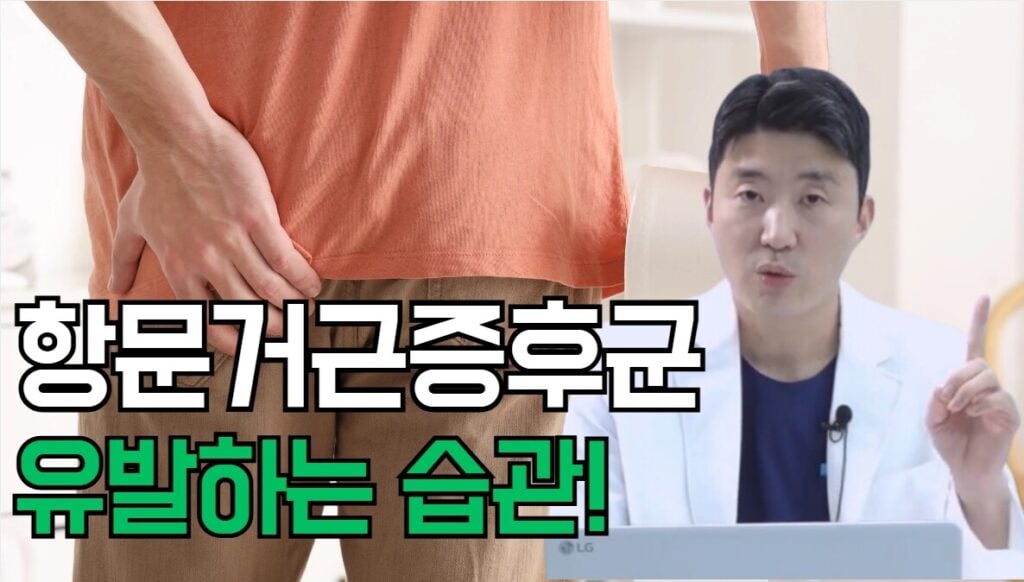
Anal sphincter syndrome is a functional pain condition that occurs when the anal sphincter muscle, the pelvic floor muscle that surrounds the anus, is unable to relax normally and remains chronically tense. It is often misdiagnosed as unexplained anal pain because endoscopic or imaging studies do not reveal any obvious abnormalities, but it is actually a combination of muscle, nerve, and autonomic nervous system dysfunction. The pain is characterized by a dull or aching sensation deep in the anus that is worse after prolonged sitting, stress, and bowel movements. Some patients also experience perineal discomfort, bladder pressure, and back or buttock pain.

Why habits that contribute to anal sphincter syndrome matter
Rather than occurring suddenly, pelvic floor syndrome most often develops gradually through the accumulation of poor habits that are repeated in everyday life. Because the pelvic floor muscles are constantly involved in posture maintenance, bowel movements, urination, and abdominal pressure control, even when we’re not consciously aware of it, even small lifestyle differences can lead to a strain that becomes entrenched. Therefore, identifying which lifestyle patterns are straining the levator ani muscles, rather than the pain itself, is key to treatment and management.
Prolonged sedentary behavior
Spending most of your day sitting down is one of the most common triggers of diastasis recti. When sitting in a chair, the pelvic floor muscles bear the brunt of your body weight and perineal pressure increases, especially if you sit on an under-cushioned chair or hard floor for long periods of time. Add to this a crossed-legged or slouched posture, and the pelvis becomes misaligned and the levator ani muscle is in a constant state of contraction. With repeated pressure and tension, the muscle gradually loses its ability to relax and becomes hypersensitive to pain signals.

Excessive straining during bowel movements and poor bowel habits
Constipation or a habit of taking longer to have a bowel movement is also a significant contributor to anal sphincter syndrome. The process of exerting excessive force to pass a bowel movement causes the levator ani muscles to contract repeatedly and forcefully, and if this process continues, the muscle’s tension pattern becomes stuck. If you notice that the area around your anus remains tight and unrelieved after a bowel movement, it’s likely that your levator ani muscles are already unable to relax normally. If this condition persists for a long period of time, it can cause pain even in situations unrelated to bowel movements.
Stress and the Autonomic Nervous System
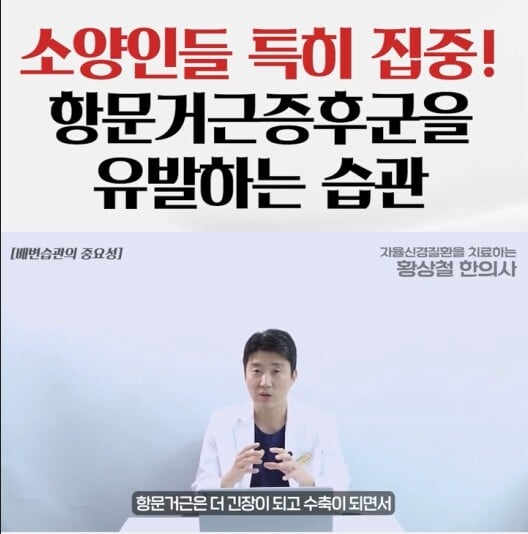
Many people with anal sphincter syndrome report that their symptoms worsened after a period of stress. Stress has a direct effect on muscle tone through the autonomic nervous system, especially on muscles that work unconsciously, such as the pelvic floor muscles. When tension and anxiety persist, the levator ani muscle remains contracted, as if in defense, and its sensitivity to pain increases. Because of this, you may experience pain even when you’re not particularly moving, or the pain may be more pronounced at night.
Lack of exercise or a lifestyle that only uses certain parts of the body
A lack of movement that uses the whole body evenly, or a lifestyle that involves repetitive use of only certain muscles, is also a problem. Tight hamstrings and glutes, in particular, can restrict movement in the pelvis, transferring tension to the pelvic floor muscles. Conversely, if circulation in the muscles of the lower body drops due to lack of exercise, this can also reduce blood flow around the anus, slowing recovery. These muscle imbalances contribute to chronic anal pain.
Poor breathing and abdominal pressure habits
If your breathing is usually shallow and you have a habit of pulling in your stomach, your abdominal pressure is constantly increasing, which puts strain on your pelvic floor muscles. When you breathe more chest-dominantly instead of abdominally, your anal sphincter muscles don’t get a chance to relax and remain tense. This can make anal pain more easily aggravated, especially if you have a habit of unconsciously holding your breath when you’re nervous or focused.
Why habit modification is important in managing anal sphincter syndrome
Anal sphincter syndrome is not completely resolved by simply treating the painful area. Symptoms can easily return if the lifestyle habits and tension patterns that cause pain remain the same. Therefore, examining and adjusting your posture, bowel habits, stress management, and even breathing is essential to long-term recovery. It’s not uncommon for small habit changes to noticeably reduce the frequency and intensity of pain.
Finalize
Anal sphincter syndrome is not a pain that you can ignore; it’s a clear warning sign from your body. If you’re experiencing recurring anal pain or perineal discomfort, or symptoms that get worse when you sit for long periods of time, it’s important not to dismiss it as a temporary problem. Simply taking stock of your lifestyle and making changes to help your body relax can change the course of your pain. We hope this article has helped you understand your symptoms and get on the road to recovery if you’re experiencing discomfort from anal sphincter syndrome. If necessary, it may be a good idea to seek professional help for a more structured approach.