


Table of Contents
Reasons for Frequent Urination: 3 Unintentional Urination Habits We Repeat Without Realizing It
“I just went to the bathroom, but I feel like I need to go again less than 30 minutes later.”
“I feel at ease only after I go to the bathroom before heading out.”
“I feel like I’ve finished urinating, but I still feel like there’s some urine left.”
If you find yourself going to the bathroom several times a day and feel uncomfortable using public transportation or being out for long periods of time, the problem may not be caused solely by drinking too much water.
This condition is called frequent urination, and it may be accompanied by urinary urgency—a sudden, intense urge to urinate that is difficult to control—or a sensation of incomplete emptying, which is the feeling that some urine remains in the bladder even after urinating.
Frequent urination can result from various causes, including overactive bladder, urinary tract infections, bladder pain syndrome, and pelvic floor muscle dysfunction. In addition, habitual urination patterns can contribute to maintaining or worsening the discomfort.
Today, we’ll take a look at three good urination habits that people who frequently feel the need to urinate should keep in mind.

1. The habit of tightening your abdominal muscles when urinating
Do you have a habit of tightening your abdominal muscles to urinate more quickly, or of trying to squeeze out every last drop?
During normal urination, the detrusor muscle of the bladder contracts while the urethral sphincter and pelvic floor muscles relax, allowing urine to be expelled.
However, applying excessive pressure to the abdomen increases intra-abdominal pressure. In particular, if the pelvic floor muscles are overly tense or if there is a lack of coordination between relaxation and contraction, urination may become more uncomfortable.
In this condition, the urine stream may be interrupted, or you may feel as though you haven’t fully emptied your bladder even after urinating.
When urinating, it is best to sit comfortably on the toilet, relax your abdomen and buttocks, and let the urine flow naturally. It is best to avoid holding your breath or straining to squeeze out the last drops of urine.
However, if you have difficulty urinating or your urine stream remains weak unless you strain, you should check for urinary dysfunction.
2. The habit of urinating while showering
Some people experience a sudden urge to urinate when they hear the sound of water running from the showerhead.
The urge to urinate is not determined solely by how full the bladder is. It also involves the process by which the brain and nervous system receive and interpret external stimuli.
Some studies have reported that the sound of water may affect the urge to urinate in patients with overactive bladder.
However, there is one point we need to distinguish here.
The fact that the sound of water can trigger the urge to urinate does not prove that urinating while showering causes an overactive bladder or frequent urination.
Therefore, there is no need to conclude that the act of urinating while showering is the cause of the illness.
However, if you find yourself habitually urinating whenever you hear the sound of running water, it may be helpful to check whether you actually need to urinate and to distinguish between the act of showering and the act of urinating.
If you feel an urgent need to urinate, there’s no need to force yourself to hold it in.
3. The habit of going to the bathroom before you feel the urge to urinate
One common behavior seen in people with frequent urination is going to the bathroom in advance, even when they don’t feel the urge to urinate.
I sometimes go to the restroom once before heading out, once more before getting in the car, and again after arriving at the meeting place.
This behavior is sometimes driven by anxiety about wanting to avoid situations that might trigger the urge to urinate.
However, the habit of urinating repeatedly before the bladder is fully filled can cause some people to maintain a urinary pattern in which they react sensitively to even a slight urge to urinate.
That said, holding your urine for long periods isn’t necessarily a good idea.
While personalized bladder training can be helpful for overactive bladder, the management approach must be adjusted if the patient has a urinary tract infection, bladder pain syndrome, or urinary retention.
The key is not to set a uniform interval between urination, but to adjust it according to your own symptoms.
Can bladder training help improve frequent urination?
For the treatment of overactive bladder, bladder training and behavioral therapy are recommended as important non-pharmacological management methods.
Bladder training is a method of adjusting a person’s urination pattern to suit their individual condition after assessing their current urination intervals, urine volume, and the intensity of their urge to urinate.
In particular, keeping a urination log can help you determine whether you are actually urinating frequently, whether the volume of urine per visit is small, or whether your symptoms worsen at certain times or under specific circumstances.
To start, try writing down the following for about 2 to 3 days.
- Time spent in the restroom and intervals between urination
- Volume of urine voided in a single urination
- Urge intensity and pain, sensation of residual urine after urination
These records can serve as a reference for distinguishing between simple frequent urination, an overactive bladder, and urinary problems accompanied by pain.
However, whether bladder training is appropriate and the target intervals vary depending on the patient’s symptoms. You should avoid forcing yourself to hold your urine if you are experiencing severe pain or if an infection is suspected.
Why You Should Also Check for Frequent Urination, a Sensation of Residual Urine, and Pelvic Floor Muscle Strength
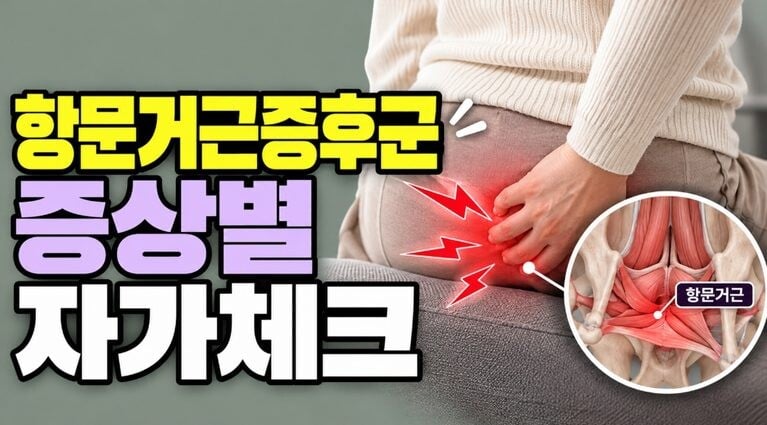
The pelvic floor muscles support the bladder and urethra and help control urination.
When urinating, the pelvic floor muscles must relax properly. However, if the muscles are excessively tense or if coordination during urination is impaired, symptoms such as difficulty urinating, a sensation of incomplete emptying, or pelvic pain may occur.
At this stage, it may not be appropriate to simply repeat exercises that strengthen the pelvic floor muscles.
Assess the level of muscle tension and, if necessary, consider treatment focused on relaxation and restoring coordination.
Furthermore, just because you feel like you haven’t fully emptied your bladder doesn’t necessarily mean there is actually urine left in your bladder. If necessary, this should be confirmed through a residual urine volume test.
What if you still feel the urge to urinate even after changing your urination habits?
If frequent urination persists even after reviewing your lifestyle habits, you’ll need to investigate the cause in more detail.
During the examination, we first assess the number of times you urinate per day, the intervals between urination, urinary urgency, nocturia, and whether you experience any pain.
Based on the symptoms, we determine whether tests such as a urinalysis, culture, or residual urine volume test are necessary, and we differentiate between conditions such as overactive bladder, bladder pain syndrome, and pelvic floor muscle dysfunction.
In addition, you can check your caffeine intake, constipation, sleep patterns, stress levels, and medications you are taking.
In traditional Korean medicine, based on this assessment, practitioners can evaluate a patient’s overall condition and accompanying symptoms, and determine whether to prescribe individualized herbal medicine or acupuncture.
If you feel the need to urinate frequently,
Check to see if you strain your abdomen when urinating, if you habitually urinate while showering, or if you go to the bathroom out of anxiety even when you don’t feel the urge.
These habits can provide important clues for understanding frequent urination.
However, not all cases of frequent urination can be attributed to habits.
In particular, if these symptoms are accompanied by pain during urination, blood in the urine, fever, or difficulty urinating, it is important to see a healthcare provider to determine the cause.
If concerns about using the restroom are making your daily life difficult, please don’t suffer in silence—feel free to stop by our clinic.
I’ll listen carefully to your symptoms, work with you to identify the cause, and help you find the treatment and management plan best suited to your current situation.