


What if your urethral pain persists? Are you only thinking it might be a urinary tract infection?
When people experience a stinging or burning sensation in the urethra while urinating, or when that discomfort persists, many immediately think of a urinary tract infection.
However, if test results do not reveal any specific bacterial infection, or if symptoms recur even after taking medication, it is necessary to consider other possible causes as well.
Pain in the urethra often cannot be attributed to a single condition.
This is because the cause can vary depending on where the pain occurs, the circumstances that worsen it, and the accompanying symptoms.
Why does urethral pain occur?
The area around the urethra is influenced by the bladder, pelvic muscles, nerves, and the autonomic nervous system.
Therefore, in addition to simple inflammation, the following factors can also influence pain.
- Sensitivity of the bladder lining
- Muscle Tension Around the Pelvis
- Nerve Stimulation
- Stress and Changes in the Autonomic Nervous System
- A state of hypersensitivity remaining after recurrent inflammation
In particular, when symptoms persist even though test results show no abnormalities, it is important to conduct a thorough investigation to determine the cause of the pain.
Urethral pain can be divided into four types
1. Cystitis-related urethral pain
This type is characterized by a stinging and burning sensation when urinating.
The main features are as follows.
✔ Burning sensation when urinating
✔ Frequent urge to urinate
✔ Lower abdominal discomfort
✔ Recurrence of acute symptoms
While it can sometimes be caused by a temporary infection, if it recurs, it is important to check whether the bladder and urethra have become hypersensitive.
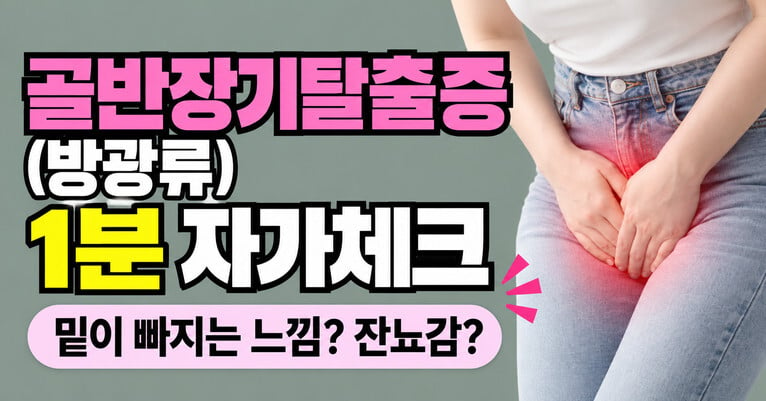
2. Urethral pain associated with interstitial cystitis
This is a possibility to consider when there are no specific abnormalities found during an examination, but discomfort around the bladder and urethra persists for a long time.
The main features are as follows.
✔ Pain increases when the bladder is full
✔ I feel a little better after using the restroom
✔ Frequent urination
✔ Long-lasting discomfort around the pelvis
Sometimes, the bladder itself becomes sensitive and sends pain signals even in response to minor stimuli.
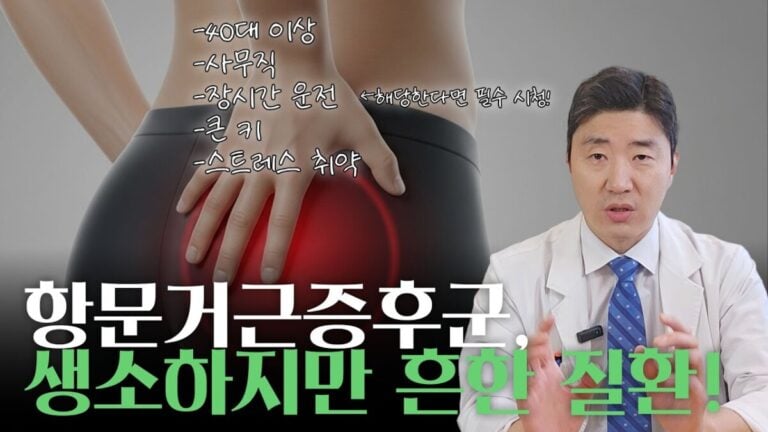
3. Urethral Pain Caused by Pudendal Nerve Stimulation
This is a type of pain caused by nerve irritation.
The main features are as follows.
✔ It gets worse when you sit for a long time
✔ Pain around the perineum
✔ A tingling sensation or a feeling like an electric shock
✔ Symptoms worsen after driving
In particular, it is often associated with a lifestyle that involves prolonged periods of sitting.
4. Urethral Pain of the Urethral Syndrome Type
This is a condition in which no obvious abnormalities are found during testing, but symptoms recur.
The main features are as follows.
✔ Symptoms worsen after stress
✔ Gets worse when I’m tired
✔ Tension around the pelvis
✔ Recurrent urinary discomfort
The condition of the autonomic nervous system and the muscles around the pelvis can both have an impact.
What type of urethral pain do I have?
Even if the symptom is the same—”urethral pain”—the causes and treatment approaches may vary.
If you’re experiencing long-lasting pain, it’s helpful to determine what type of pain you have rather than simply enduring it.
Use the self-assessment below to identify your current symptoms.
※ This checklist is intended as a self-assessment for reference purposes only, not for diagnostic purposes.
Take the quiz and see your results.
Key Characteristics
Recommended Management
We recommend counseling in these cases
- Recurrent urethral pain lasting more than 3 months
- Persistent discomfort despite normal test results
- Recurring symptoms even after antibiotic treatment
“”+ data[resultType].name+ “” 가능성이 높습니다.”; document.getElementById(“percent”) .innerHTML= ““+data[resultType].percent+”“; document.getElementById(“feature”) .innerHTML= data[resultType].feature .map(x=>”
In such cases, we recommend seeking professional counseling.
If any of the following apply, it’s best not to dismiss them as mere temporary discomfort.
✔ Recurrent urethral pain lasting 3 months or longer
✔ When symptoms persist even though test results show no abnormalities
✔ If the condition recurs even after antibiotic treatment
✔ When the pain worsens while sitting
✔ When there is discomfort in the bladder and pelvic area
When it comes to urethral pain, it is more important to identify the cause than to focus on the location of the symptoms.
In some cases, urethral pain cannot be explained simply by whether or not there is inflammation.
To determine the most accurate course of action, it is necessary to consider factors such as bladder sensitivity, nerve stimulation, pelvic muscle tension, and the state of the autonomic nervous system.
Start by figuring out which type your symptoms most closely match.