

Table of Contents

hello. I’m Dr. Sangchul Hwang, an autonomic nervous system researcher and therapist. Does baking soda for cystitis really work? If you look at cystitis cafes and communities, you’ll find that some people say that baking soda has helped their bladder, while others say that it didn’t work at all or even made it harder. Today, we’re going to take a look at this based on physiology and research evidence, not folklore. The bottom line is that baking soda won’t work for every bladder sufferer, but there are good reasons why it may feel like it does for some.

Does Baking Soda Alkalize the Body?
Baking soda is sodium bicarbonate and many people believe that eating it alkalizes the body, but medically speaking, blood pH is so tightly regulated by the lungs and kidneys that it is nearly impossible to meaningfully change it with food or supplements. Normal blood pH is between 7.35 and 7.45, and outside of this range is a disease state, so it would be rather dangerous if it were to actually change. So the notion that baking soda will turn your entire body into an alkaline body is not scientifically sound.

The key is urine, not blood
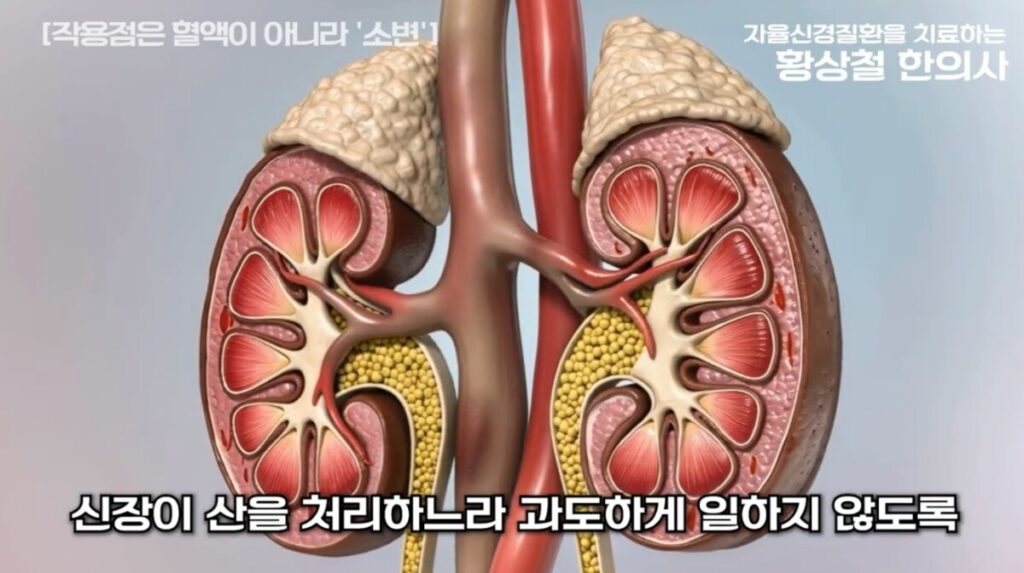
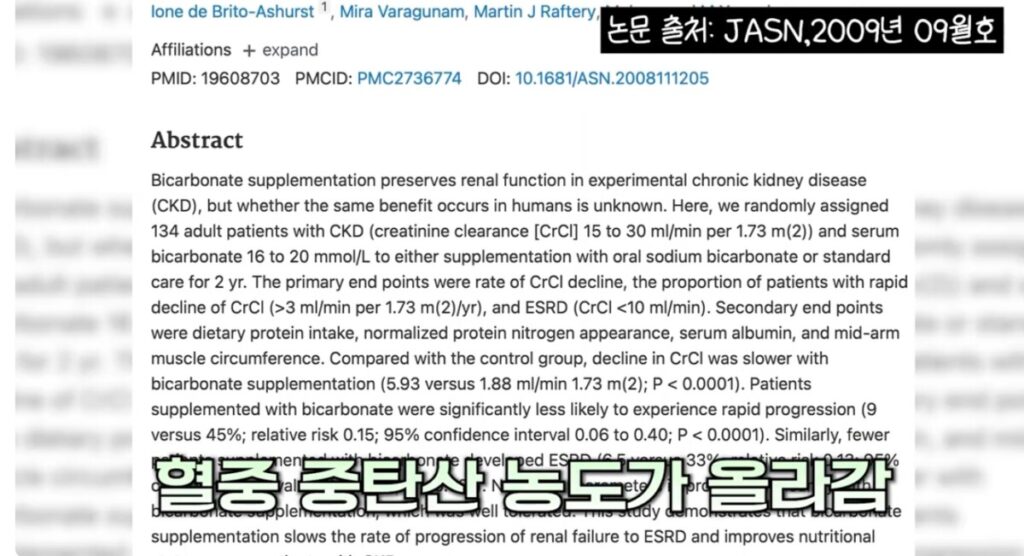
Taking sodium bicarbonate doesn’t dramatically change your blood, but rather, as your kidneys have less acid load to deal with, they may excrete fewer hydrogen ions into the urine, and as a result, your urine may become slightly less acidic – the key is that your urine environment may temporarily become milder, rather than your entire body becoming alkalized.
Why some patients experience less pain
Acidic urine irritation is sometimes a factor in bladder pain in patients whose first urination in the morning is particularly painful, or whose urine feels hot and sore as it passes, and whose urine pH is as low as 5 or less. When the bladder mucosa is sensitized and acidic urine hits it, the pain signal is amplified, and even a small reduction in urine acidity can reduce the intensity of the irritation and make it feel less painful.
Why it doesn’t work for some people at all
If your urine pH is already in the normal range, or if the main cause of your pain is nerve irritability, pelvic floor muscle tension, or stress-induced autonomic fluctuations, slightly altering your urine acidity won’t change the nature of your pain. This is why the same method can work for some people and not work for others.
Why gastrointestinal side effects occur
Because baking soda reacts with stomach acid in the stomach to produce carbon dioxide, it can cause belching, bloating, bloating, and nausea, especially in people with low stomach acid. If you have enough stomach acid, it will reflexively increase your stomach acid secretion, even if it is temporarily neutralized, but if you have insufficient stomach acid, it will also neutralize any remaining stomach acid, which can lead to poor protein digestion, stomach congestion, indigestion, and diarrhea.
Physiological reasons for diarrhea
Diarrhea after ingesting sodium bicarbonate can be explained by two mechanisms: osmotic diarrhea, in which water moves into the intestine due to increased intestinal osmotic pressure, and dyspeptic diarrhea, in which food that is not sufficiently digested in the stomach irritates the small intestine, which is a predictable physiological response.
Organize
Baking soda is not a cure for interstitial cystitis, nor is it a one-size-fits-all approach. While it may provide adjunctive symptomatic relief in some patients where acidic urine stimulation is a contributing factor to pain, it is more likely to result in discontinuation due to gastrointestinal side effects in patients where stomach acid deficiency, digestive dysfunction, or nerve irritability are central to the pain. As such, it should not be approached as an always-on method and should be judged carefully based on individual symptomatology and response.