


Table of Contents
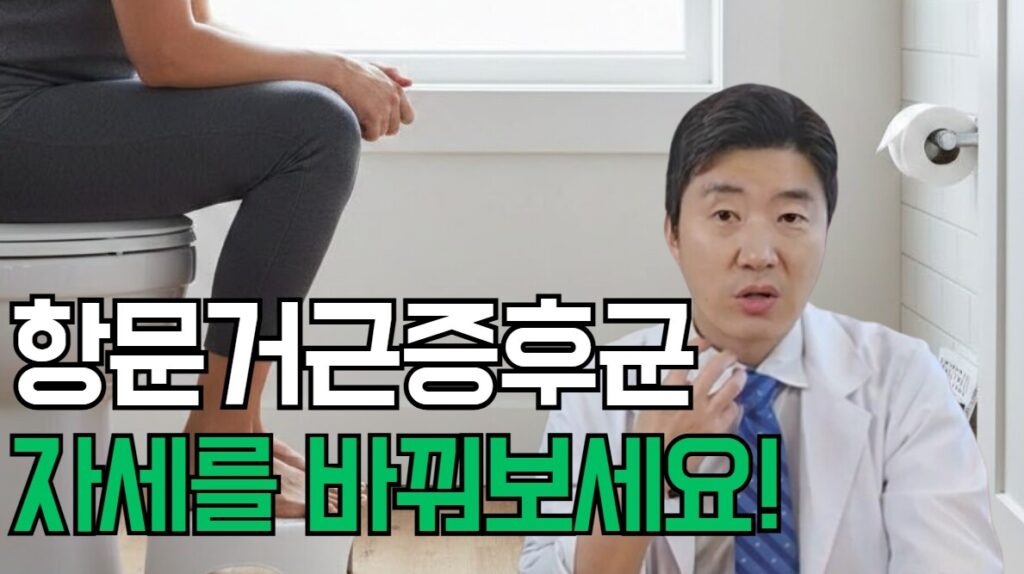
Relationship between anal sphincter syndrome and bowel posture
Many people with anal sphincter syndrome complain of increased pain during bowel movements or lingering discomfort deep in the anus after a bowel movement. This is not simply a stool problem, but is closely linked to a structural reason why the levator ani muscle does not relax normally during the bowel movement and instead becomes more tense. The levator ani muscle is responsible for gently stretching downward during a bowel movement to straighten the angle of the rectum and anus, and when this process is not done properly, evacuation becomes difficult and pain becomes recurrent.
What’s wrong with our usual bowel movements?
Most people defecate while sitting on a Western-style toilet with their knees and hips nearly horizontal. In this position, the angle between the rectum and anus is not fully extended, making it difficult for the anal sphincter to relax. Instead, the anal sphincter reflexively contracts to keep the stool from coming down, and straining while in this position causes further muscle tension. For people with anal sphincter syndrome, this position can interfere with bowel movements while also perpetuating pain.

Anatomical reasons why the anal sphincter interferes with bowel movements
The levator ani muscle is a U-shaped muscle that wraps around the rectum and supports the pelvic organs. Normally, it is responsible for holding back bowel movements and supporting the pelvic organs. However, it must relax during a bowel movement to allow the rectal angle to open up and stool to pass naturally. The problem is that in people with levator ani syndrome, this muscle is already tense and locked in place. When you sit upright and strain, the levator ani muscle contracts even harder, resulting in poor passage of stool and pain and residual sensations after a bowel movement.
Why changing your bowel position is key to treatment
In the treatment of anal sphincter syndrome, correcting bowel posture is not just a lifestyle tip, but an important part of helping the muscles regain function. Correct posture guides the pelvis in a direction that relaxes the anal sphincter and reduces unnecessary straining during bowel movements. This not only reduces pain, but also helps to relieve overactive tension patterns in the anal sphincter in the long term. In fact, it’s not uncommon for posture correction alone to result in a noticeable reduction in post-defecation pain.

Ideal bowel position to help with anal sphincter syndrome
The most important point is to create a position where your knees are higher than your hips. By placing a small stepstool or low chair under your feet and raising your feet, you will naturally lean your upper body slightly forward and stretch the angle between your rectum and anus. In this position, the anal sphincter stretches downward, making it easier to relax, and stools pass much more smoothly. You’ll be able to defecate without having to force yourself, which can go a long way toward preventing pain from worsening.
Habits to avoid during bowel movements
If you have anal sphincter syndrome, you should avoid holding your breath and forcing yourself to have a bowel movement. This only increases abdominal pressure and causes the anal sphincter to contract even more. Also, the longer you have a bowel movement, the more fatigued the muscles around the anus become and the more sensitive to pain. Habitually sitting on the toilet for long periods of time, even when you don’t feel like having a bowel movement, can also worsen symptoms because it puts constant pressure on the levator ani muscle.
Connecting bowel movements and breathing
Natural abdominal breathing is very important during bowel movements. Breathing that inflates the abdomen on the inhale and deflates on the exhale induces relaxation of the pelvic floor muscles, including the anal sphincter. Conversely, holding your breath and straining will cause the anal sphincter to contract and cause pain. Changing your breathing habits, along with correcting your bowel position, can significantly reduce pain and discomfort during bowel movements.
The long-term effects of correcting bowel positioning
Changing your bowel position is important not only for immediate pain relief, but also for reducing flare-ups of anal sphincter syndrome. With repetition of the correct position, the anal sphincter relearns the pattern of relaxing during bowel movements and can gradually move out of a state of excessive tension. This also has a positive effect on reducing anal pain or perineal discomfort that occurs in situations unrelated to bowel movements.
Anal sphincter syndrome is not something that can be solved by medication or therapy alone, but rather by making changes to your daily habits. One of the most basic and effective is your posture. If you’re straining your anal sphincter with every bowel movement, your recovery will be slower, no matter how much treatment you receive. Start today by taking small steps to change your bowel position and practice relaxing breathing. These changes can be an important start to finding relief from anal pain.
What if I’m still bothered by anal pain?
In Chinese medicine, this is how it is treated
Anal sphincter syndrome is not just a problem of the anal area, but a condition that involves tension and autonomic imbalance in the pelvic floor muscles as a whole, so treating only localized pain is limited. In our clinic, we evaluate and treat the tension in the sacral nerve segment, which is directly connected to the anal sphincter, as well as the muscles around the pelvis. The sacral region is an important passageway for the anal sphincter and pudendal nerves, so releasing tension in this area is key to relieving pain. Our approach is to gradually relax the tension in the over-contracted pelvic floor muscles and levator ani muscles through acupuncture, and reduce the inflammatory response and sensitivity around the nerves with medicinal acupuncture. If the sympathetic nerves are overactive due to old pain, we will also use Chinese herbal treatments to restore balance to the autonomic nerves, which will reduce tension throughout the body together. Rather than simply treating the pain, the treatment aims to restore function so that the muscles can relax naturally during bowel movements. With this integrated approach, patients often experience improvement not only in pain during bowel movements, but also in associated symptoms such as loose stools, discomfort when sitting, and radiation to the bladder or legs.